Business Aircraft Ownership Structures: Company, LLC or Trust
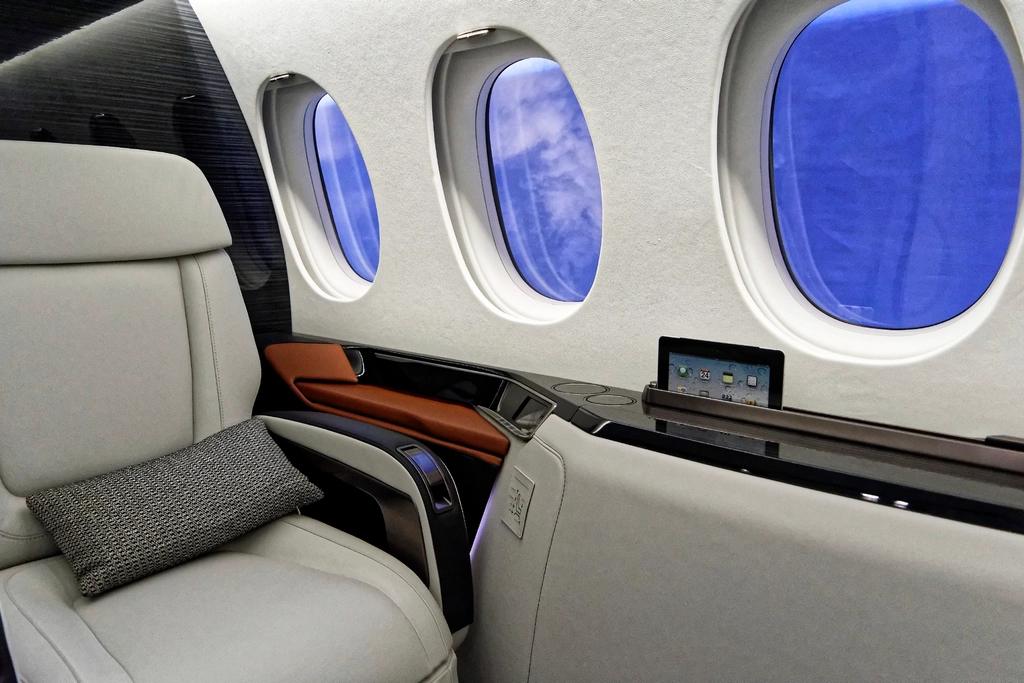
A business aircraft is usually owned by the operating company, by a single-purpose LLC that dry leases it to an operator, or by a U.S. citizen owner trustee. Owning it in the operating company is simplest under Part 91. An LLC can separate the asset but must not operate the aircraft itself, and a trust mainly solves FAA citizenship or privacy needs.
Key takeaways
- Only owners that meet 14 CFR Part 47, such as U.S. citizens, resident aliens, qualifying corporations and LLCs, or U.S. citizen trustees, can register an aircraft in the United States.
- Under 14 CFR 91.501(b)(5), a company may carry its own people and property when the flight is incidental to its business, which a company whose only business is the aircraft cannot show.
- A single-purpose LLC can own an aircraft; the usual fix is a true dry lease to an operating company that holds operational control.
- A non-citizen corporation can register an aircraft only if at least 60 percent of its flight hours are on non-stop U.S. flights, so many foreign owners use an owner trust instead.
- Leasing an aircraft from an owner LLC to a related company can affect the 25 percent qualified business use test, so settle the structure with counsel and a tax advisor before closing.
What are the main business aircraft ownership structures?
There are three common business aircraft ownership structures: the operating company owns the aircraft directly, a single-purpose LLC owns it and leases it to an operator, or a U.S. citizen trustee holds title for the real owner in an owner trust. Each one has to work under three separate sets of rules at once: FAA registration, FAA operating rules, and tax. A structure that is clean on one can fail on another.
The choice also shapes your financing. The borrower, the collateral, the guarantees and the insurance all follow the ownership chart, so it is far easier to settle the structure before you sign a loan or lease than to change it later. For the financing options themselves, see our guide to corporate aircraft finance options and the broader airplane financing guide.
| Structure | Main reason owners use it | Main risk to manage |
|---|---|---|
| Operating company owns and flies it | Simplest Part 91 position; flights are incidental to a real business | Aircraft liability sits with the operating business |
| Single-purpose LLC dry leases to the operator | Separates the asset; can suit tax and state sales tax planning | LLC must not operate the aircraft; related-party lease tax rules |
| Owner trust with a U.S. citizen trustee | Lets a non-citizen own a U.S.-registered aircraft; privacy | Trustee information duties to the FAA; 25 percent control limit |
| Non-citizen U.S. corporation (47.9) | Registers without a trust | 60 percent U.S. flight hour test and reporting |
Who can register a business aircraft with the FAA?
Only an owner that fits 14 CFR Part 47 can register an aircraft in the United States. The FAA lists U.S. citizens, partnerships whose partners are all U.S. citizens, qualifying U.S. corporations, resident aliens, and non-citizen U.S. corporations whose aircraft are based and primarily used in the country. The aircraft is registered in the legal name of its owner with AC Form 8050-1, evidence of ownership and a $5 fee, according to the FAA's registration page.
A corporation counts as a U.S. citizen under 49 U.S.C. 40102(a)(15) only if its president and at least two-thirds of its board and other managing officers are U.S. citizens, it is under the actual control of U.S. citizens, and at least 75 percent of the voting interest is owned or controlled by U.S. citizens. The FAA publishes a separate information sheet for aircraft owned by an LLC, which asks how the LLC is organized, how management authority is held and how it meets the citizenship definition.
Registration is not the same as a lien filing. If you finance the aircraft, the lender's security interest is recorded with the FAA and usually also registered on the International Registry. Our explainer on the International Registry and Cape Town Convention covers that step.
When should the operating company own the aircraft directly?
When the company has a real business that needs the aircraft and wants the simplest legal position. Under 14 CFR 91.501(b)(5), for the large and turbine-powered multiengine airplanes covered by subpart F, a company may carry its officials, employees, guests and property on an airplane it operates when the carriage is within the scope of, and incidental to, its business. Charges are limited to the cost of owning, operating and maintaining the airplane.
The trade-off is liability. The aircraft and its accident exposure sit on the same balance sheet as the operating business. Insurance is the first line of protection whichever structure you choose. For lenders this is the most familiar setup: the borrower is the company that flies the aircraft and earns the revenue, which is the structure described in our page on aircraft acquisition loans.
Can a single-purpose LLC own and fly a business aircraft?
An LLC can own a business aircraft, but it generally should not fly it for its owners or affiliates. In a 2015 legal interpretation, the FAA Office of the Chief Counsel confirmed that LLCs are treated as corporations under 91.501(b)(4), and that if the primary business of an LLC is to operate an aircraft, it is a "flight department company" subject to Part 119 certification. The FAA said this holds even when the LLC carries only its members and their guests, and that members' capital contributions to cover the aircraft's costs count as compensation.
The problem is operating, not owning. The usual fix is to separate ownership from operation:
- The LLC owns the aircraft and dry leases it, without crew, to the operating company or another operator.
- The lessee hires and controls the pilots and holds operational control on every flight.
- The lessee's flights must still be incidental to its own business under 91.501(b)(5).
NBAA's dry lease guidance warns that the lessor should not provide or even arrange pilots for the lessee. When the lessor or a related entity employs the pilots, the FAA treats the arrangement as a wet lease. NBAA also notes that if the aircraft is itself leased from a financial institution or other party, the operator needs that head lessor's permission. Our wet vs dry lease guide explains the difference in more detail.
When does an owner trust make sense for a business aircraft?
An owner trust mainly solves a citizenship problem. If the owner is a foreign company or a U.S. company that fails the 75 percent voting test, a U.S. citizen or resident alien trustee can hold legal title under 14 CFR 47.7(c). The trust documents are filed with the registration application. If any beneficiary is not a U.S. citizen or resident alien, each trustee must give an affidavit, and the trust must limit non-citizens to no more than 25 percent of the aggregate power to direct or remove the trustee. Non-citizens may still hold more than 25 percent of the beneficial interest.
Trustees carry real duties. Under the FAA's 2013 policy clarification, an owner trustee should normally be able to tell the FAA within two business days who operates the aircraft, where that operator is based, where the records are kept and where the aircraft is based. More detailed operating and maintenance information is expected within five business days.
The alternative for a U.S.-organized company that is not a citizen is registration under 14 CFR 47.9. That requires the aircraft to be based and primarily used in the United States, meaning at least 60 percent of flight hours on non-stop flights between two U.S. points, measured over six-month periods and reported to the Registry.
In this hypothetical case, a company with regular international trips would fail 47.9, which is why owners with that flying pattern often choose an owner trust instead.
How does ownership structure affect tax and depreciation?
Structure can change whether the aircraft qualifies for accelerated depreciation. Business aircraft are listed property, and Publication 946 requires more than 50 percent qualified business use for bonus depreciation or Section 179. Section 280F(d)(6)(C) says leasing to a 5 percent owner or related person is not qualified business use, unless at least 25 percent of the aircraft's total use is qualified business use outside those categories. An owner LLC leasing to an affiliate is exactly where that test applies. Our guide to business use percentage and aircraft depreciation walks through both tests.
A dry lease to a related operator can also change when and where state sales or use tax is due, which varies by state. See sales and use tax on aircraft purchases. Confirm every tax result with a tax advisor before closing.
How do lenders view each ownership structure?
Lenders finance all of these structures, but they underwrite whoever actually pays. With an owner LLC or trust, expect the lender to review the lease to the operator, require insurance naming the lender, and often ask for a guarantee from the operating company or its owners. Our guide to personal guarantees on aircraft loans explains how to negotiate that. To see what the debt costs under each borrower, run the numbers in the aircraft loan calculator.
On liability, 49 U.S.C. 44112 limits the liability of an owner, lessor or secured party for injury or damage to cases where the aircraft is in its actual possession or operational control. A well-run dry lease supports that position, but it does not replace insurance.
What should you settle before closing?
- Who will hold title, and does that owner qualify to register under Part 47?
- Who will have operational control on each flight, and is it incidental to that company's own business?
- If an LLC owns the aircraft, is there a written dry lease, and does the lessee hire its own pilots?
- If a trust holds title, does the trust limit non-citizen control to 25 percent, and can the trustee answer FAA requests on time?
- Does the structure pass the 50 and 25 percent business use tests, and how is sales or use tax handled?
- Has the lender approved the borrower, the lease and the insurance?
This article explains the rules in general terms and is not legal or tax advice. Have aviation counsel and a tax advisor confirm the structure for your facts. When the structure is settled, JetFinex can help you start a deal file for the financing.
Aircraft Loan Calculator
Monthly payment, total interest and balloon, with a balance chart.
Frequently asked questions
Should I put my business aircraft in an LLC?
Many owners do, to hold the asset separately from the operating business. The LLC should own the aircraft, not fly it: FAA rules generally do not let a company whose only business is the aircraft carry passengers under Part 91, so the LLC usually dry leases the aircraft to an operating company.
What is a flight department company?
It is a separate entity, often an LLC, that both owns and operates an aircraft for its parent or affiliates and has no other business. The FAA's Chief Counsel has said an LLC whose primary business is operating an aircraft is a flight department company subject to Part 119 certification, even if it only carries its own members and their guests.
Can a foreign company own a U.S.-registered aircraft?
Yes, through a U.S. citizen owner trustee under 14 CFR 47.7(c), or as a U.S.-organized non-citizen corporation under 47.9 if the aircraft is based and primarily used in the United States, meaning at least 60 percent of flight hours on non-stop U.S. flights.
Does an LLC protect the owner from aircraft accident liability?
It can help, but it is not a guarantee. 49 U.S.C. 44112 limits an owner's or lessor's liability when the aircraft is not in its actual possession or operational control, and insurance remains the main protection. Ask aviation counsel how both apply to your structure.
Do lenders finance aircraft owned by an LLC or trust?
Yes. Lenders regularly lend to owner LLCs and owner trustees, but they usually want to see the lease to the operator, insurance naming the lender, and often a guarantee from the operating company or its owners.
Sources
- FAA, Register an Aircraft
- Cornell Law School LII, 14 CFR 47.3, Registration generally
- Cornell Law School LII, 14 CFR 47.7, United States citizens and resident aliens
- Cornell Law School LII, 14 CFR 47.9, Corporations not U.S. citizens
- Cornell Law School LII, 49 U.S. Code 40102, definition of citizen of the United States
- Federal Register, FAA policy clarification on registration of aircraft to U.S. citizen trustees, June 18, 2013
- Cornell Law School LII, 14 CFR 91.501, Applicability
- FAA Office of the Chief Counsel, Legal interpretation on operations by limited liability companies under 14 CFR 91.501(b)(4) (2015)
- NBAA, Business aircraft dry lease best practices
- Cornell Law School LII, 49 U.S. Code 44112, Limitation of liability
- Cornell Law School LII, 26 U.S. Code 280F, listed property and qualified business use
- IRS, Publication 946, How To Depreciate Property
This guide is educational and is not tax, legal or investment advice. See our editorial standards and disclosures. Spot an error? Tell us.