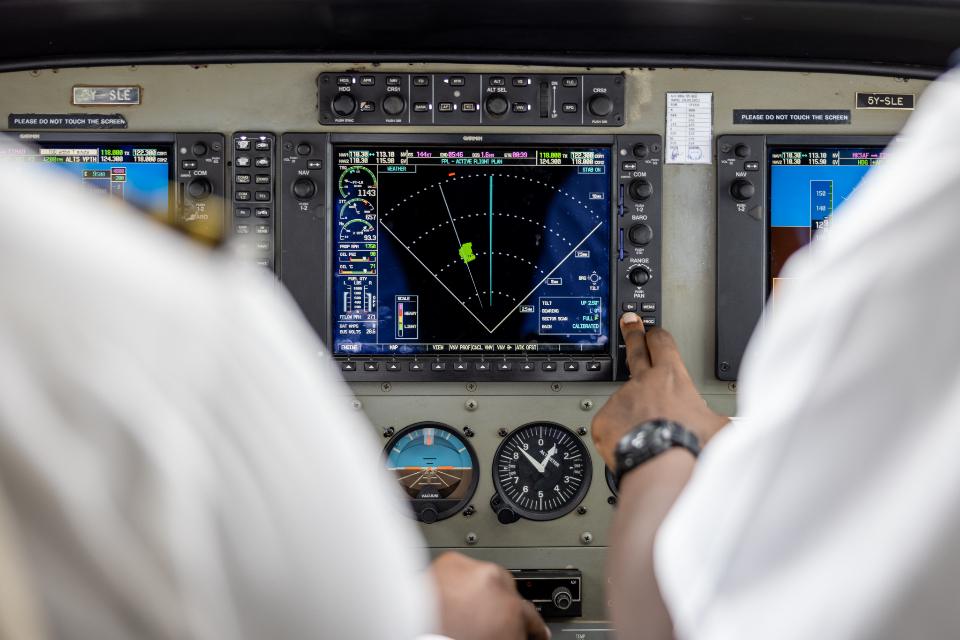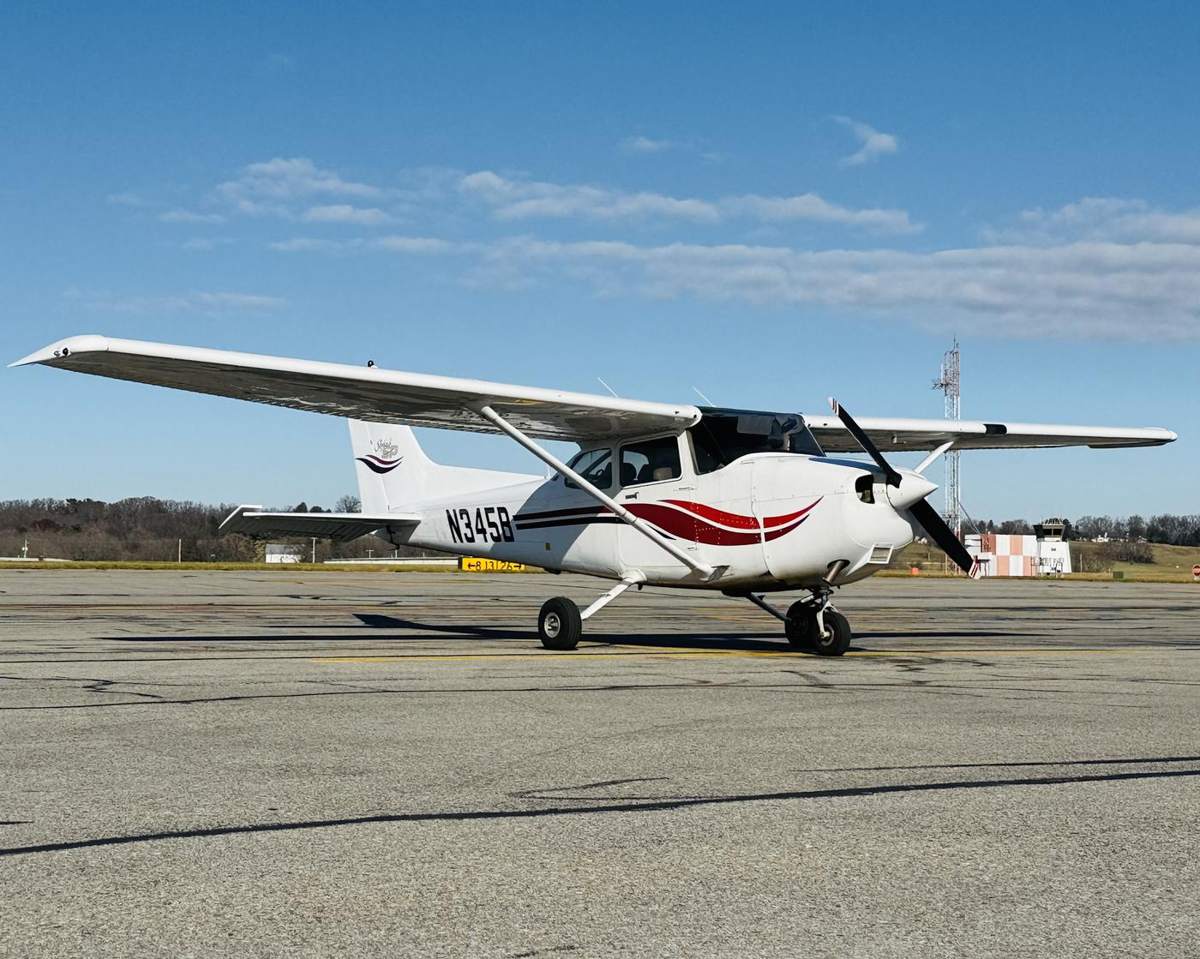
An aircraft operating lease lets you fly an aircraft for a fixed monthly payment over a set term and then return it. The lessor owns the aircraft and carries the risk of what it is worth at the end, so you preserve cash and stay flexible.
Who is it a good fit for?
- Growth is real but not yet proven
- You want to keep cash for staff, marketing or more aircraft
- You may want a different aircraft type in a few years
- You prefer a fixed, predictable monthly cost
When might another structure be better?
- You will fly the aircraft for its whole useful life
- The aircraft is likely to hold its value well
- Return conditions would be hard to meet at your utilization
How an operating lease works
The lessor buys the aircraft and leases it to you. You pay a monthly rent, usually fixed, and the lease sets how many hours you can fly, who pays for maintenance and insurance, and the condition the aircraft must be in when you hand it back. At the end you return it, extend, or sometimes buy it at fair market value.
Return conditions and maintenance
Return conditions decide much of the real cost. They can require engine time remaining, completed inspections, damage repairs and paint or interior standards. Some leases charge maintenance reserves each month, set aside for engine overhauls and major inspections. Read these terms as closely as the rent.
Why lessors like operators
Lessors who work with flight schools and charter operators price for high utilization. They want proof of demand, a maintenance program they trust, and operators who can meet the return standard. Bringing utilization history to the first conversation leads to better terms.
Aircraft Lease vs Finance Calculator
Total cost of leasing versus buying over the same term.