Business Aircraft Transaction Support: What Happens From LOI to Closing
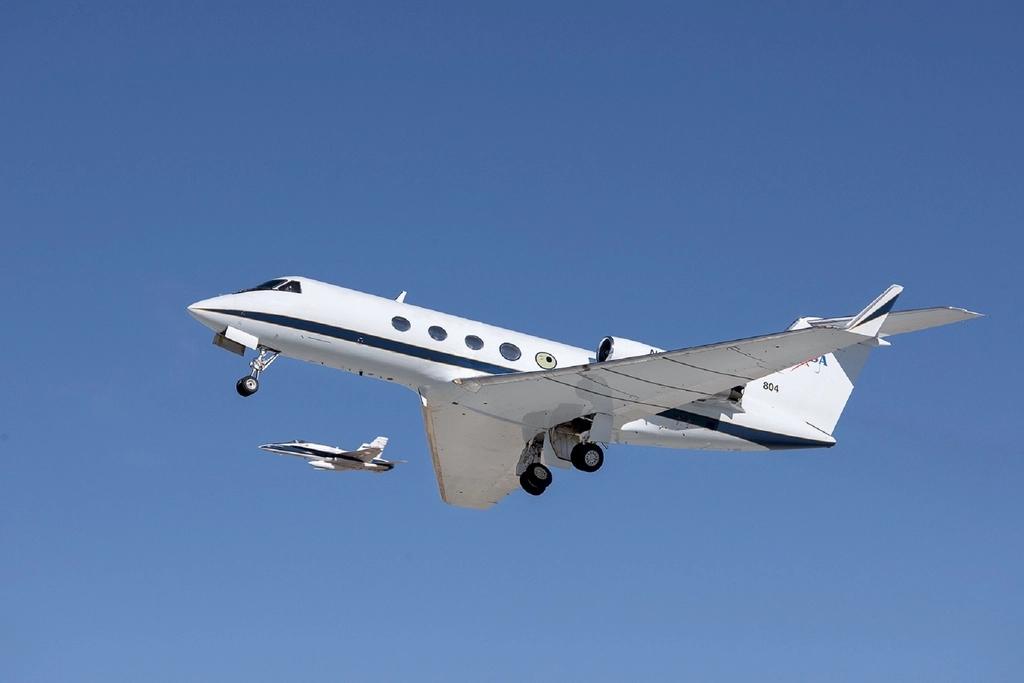
Business aircraft transaction support is the set of people and steps that carry a purchase from a signed letter of intent to closing: an escrow agent holding the deposit, a pre-purchase inspection, a title and lien search, lender approval, and the FAA and, where applicable, International Registry filings. AOPA's purchase checklist puts escrow, the letter of intent and purchase agreement, lender notification, inspection, International Registry work, insurance and title search in that general order. Most of the work happens in parallel, so starting escrow, the lender conversation and title early is what keeps a closing date realistic.
Key takeaways
- The letter of intent sets the timeline, the conditions for withdrawing without penalty and the parameters for the final price, according to AOPA, so negotiate it carefully before any deposit moves.
- AOPA suggests planning on an escrow deposit of 5 to 10 percent of the asking price; VREF says it is generally refundable until technical acceptance.
- Open escrow as soon as you pick an aircraft: title or registration problems then surface early enough to fix before the closing date.
- Tell your lender early. AOPA notes that missing logbooks can affect a pre-approval and that each lender has different tolerances.
- Money should move only through escrow, and every party should know in writing who files what, and when.
What is business aircraft transaction support?
Business aircraft transaction support is the coordination of everything between "we agree on a price" and "the aircraft is registered to the buyer and the seller is paid." No single party does all of it. A broker or the principals negotiate the deal, aviation counsel drafts and reviews the contracts, an escrow agent holds the money and runs the title work, an inspection facility examines the aircraft, and a lender approves and funds the loan.
The reason to understand the sequence is that most delays come from steps started too late. AOPA's acquisition checklist lists escrow, the letter of intent and purchase agreement, lender notification, pre-purchase inspection, International Registry work, insurance and title search as the main workstreams of a purchase. Several of them can, and should, run at the same time.
What does the letter of intent do?
The letter of intent (LOI) is the first written statement of the deal. AOPA says it sets a timeline for the transaction, allows either side to withdraw without penalty under conditions you negotiate with the seller, and defines the parameters for the final price. VREF's discussion of how transactions close describes it as the roadmap, covering the scope of the pre-buy inspection, who pays for what, what happens on default and how closing will work.
Sources differ on how binding an LOI is, and that depends on its wording and the governing law, so treat the purchase agreement as the document that carries the detailed obligations. Practical points to settle in the LOI:
- Price and the conditions that can change it, such as inspection findings.
- The inspection facility, its scope and who pays for it and for any repairs.
- The deposit amount, where it is held and when it becomes non-refundable.
- A target closing date and the right to walk away if conditions are not met.
- The buyer's financing condition, if there is one.
How do the deposit and escrow work?
The deposit goes to a neutral escrow agent, not to the seller or broker. AOPA suggests planning on 5 to 10 percent of the aircraft's asking price, and VREF says a deposit in that range is generally refundable until technical acceptance, when it becomes firm. Those are guides, not rules; the actual figure and refund terms are whatever the LOI and purchase agreement say.
AOPA Finance describes the escrow agent's role as holding the buyer's earnest money until the sale closes or both parties agree to walk away, receiving the lender's proceeds at closing so it can confirm the full purchase price, running the title search, gathering the FAA documents, wiring the seller's funds on closing day and filing the paperwork with the FAA. It advises opening escrow as soon as you decide on an aircraft, so any title problems surface early enough to fix. Our guide to title, liens and escrow at closing goes deeper on that part of the process.
What goes into the purchase agreement?
The purchase agreement turns the LOI into detailed obligations. AOPA recommends having an aviation attorney draft it, covering items such as refund terms and deadlines. Ask counsel to address at least:
- The exact aircraft, engines, propellers and any APU by serial number, and what is included in the sale.
- The seller's representations about title and liens, and what happens if the title search finds a problem.
- The definition of technical acceptance and the deadline for it.
- Delivery location, condition at delivery and who bears risk until closing.
- The escrow instructions, including who pays escrow, registry and filing fees.
When should the pre-buy inspection happen?
The pre-purchase inspection comes after the LOI and deposit, and before technical acceptance. AOPA advises asking the seller for the logbooks before visiting the aircraft, noting that an incomplete set can frequently affect the final price, and in most cases using a mechanic other than the aircraft's regular one. VREF describes a thorough business aircraft pre-buy as covering a logbook review, borescope, engine runs, oil analysis and known trouble spots, and confirming engine, propeller and APU serial numbers.
Findings feed straight into price and lender approval. See our guide to pre-buy inspections before you finance for what to ask the shop to examine, and how to decide between a price adjustment, a repair and walking away.
How does lender approval fit in?
Tell the lender early. AOPA says contacting the lender early lets a pre-approval become a full approval, that the lender will run background and damage history checks, and that missing logbooks may affect the pre-approval because each lender has different tolerances. AOPA also notes that lenders typically require full ground and flight insurance coverage, with the lender named as loss payee. Ask for the lender's insurance requirements before you buy a policy.
VREF adds that a lender typically needs the deposit in place before issuing a funding commitment. Run your numbers on an aircraft loan calculator before the LOI is signed, and again if inspection findings change the price. For how lenders view the file, see what to prepare before applying for aircraft financing and our acquisition loan overview.
What FAA and International Registry filings are needed?
For a U.S.-registered aircraft, the buyer files a registration application and evidence of ownership with the FAA Registry (14 CFR 47.31), and the lender records its security agreement. Under 49 U.S.C. 44108, a recorded instrument is valid against all persons from the date of filing, while an unrecorded one is valid only against the signer and anyone with actual notice, which is why lenders insist on prompt recording. The FAA publishes instructions for recording a security agreement.
AOPA Finance lists the documents as the bill of sale, the application for registration, the security agreement and, for buyers registering to an LLC, a statement in support. Where the aircraft is subject to the Cape Town Convention, International Registry entries are also needed. AOPA says to start that work at the same time as escrow, calls it complex and time-consuming, and suggests leaving it to experts. The FAA explains its role in the International Registry process on its own page.
Who does what in a business aircraft transaction?
| Party | Usual role | Ask them |
|---|---|---|
| Buyer | Negotiates terms, funds the deposit, arranges financing and insurance, decides on technical acceptance | What conditions let me walk away? |
| Seller | Delivers logbooks, gives access for inspection, conveys clear title | Are the records complete and any liens known? |
| Broker | Brings the parties together and helps negotiate price and terms | Who is paying you, and when? |
| Aviation counsel | Drafts and reviews the LOI, purchase agreement and closing documents | Which risks does the contract leave with me? |
| Escrow and title agent | Holds funds, runs title searches, checks FAA documents, files and wires on closing day | What are your fees and your written closing instructions? |
| Inspection facility | Performs the pre-buy and reports findings | What is the scope, and who owns the report? |
| Lender | Approves credit, sets conditions, funds into escrow, records its lien | What conditions could change before funding? |
What does the sequence look like with a financed purchase?
The example below is hypothetical and illustrative only; actual timing depends on the aircraft, the records, the lender and the parties.
The pattern is that records, title and lender review overlap rather than follow one another. A problem found in step 2 can change step 3 and step 4, which is why early title work and early lender contact matter.
Why do business aircraft deals stall or fall apart?
VREF's Jason Zilberbrand, president of the valuation firm, describes the common failure points as documentation problems such as incomplete or inconsistent logs, compliance surprises such as unaddressed airworthiness directives or components that do not match the approved configuration, escrow problems such as vague instructions or undisclosed liens, and plain delay. In one case study from that episode, mixed digital and handwritten records and inconsistent forms stretched a records review from about one week to two and a half weeks, and the pre-buy then found corrosion, missed directives and engine configuration problems. The episode lists red flags including no LOI, skipping the pre-buy, pressure to wire money outside escrow and shifting lender conditions.
AOPA's checklist makes the same point from the buyer's side, warning of deals that fell through at the last minute for lack of due diligence.
Transaction checklist for buyers
- Check that your entity, financing and insurance are ready before you make an offer. The deal readiness score is one way to see what is missing.
- Negotiate an LOI with a timeline, withdrawal conditions and inspection scope.
- Open escrow, fund the deposit there only, and read the escrow instructions.
- Get the logbooks before the inspection and engage an independent inspector.
- Notify your lender at the LOI stage and ask what could change before funding.
- Order title and, where applicable, International Registry searches immediately.
- Confirm in writing who files each document and who pays each fee.
- After closing, confirm the filings were made and prior liens released.
Corporate flight departments should also review the corporate aviation page for how lenders see their structures. If you want your financials, entity documents and aircraft details organized before an offer, you can start a deal file with JetFinex. This article is general information; confirm contract, title and registration questions with aviation counsel and your tax advisor.
Aircraft Deal Readiness Score
Ten questions that show how financeable your request is today.
Want the payment on a specific aircraft? Try the aircraft loan calculator: set the price, down payment, rate, term and balloon and see the monthly payment and total interest.
Frequently asked questions
What is business aircraft transaction support?
It is the coordination of the steps between agreeing to buy an aircraft and closing: escrow, the purchase agreement, inspection, title and lien checks, lender approval, insurance and regulatory filings. Different professionals, such as brokers, aviation counsel, escrow agents and lenders, each handle part of it.
How long does a business aircraft closing take?
There is no standard timeline. It depends on the aircraft, the records, the lender and any title or registry issues. VREF describes a case where messy logbooks stretched a records review from about one week to two and a half weeks, so incomplete records are a common source of delay.
Do I need an escrow agent if I pay cash?
The FAA does not require one, but AOPA Finance recommends escrow even for cash purchases because it verifies there are no liens or claims, helps meet transfer requirements and holds funds securely.
Does a letter of intent bind the buyer and seller?
That depends on how it is drafted, and sources differ on how much weight it carries. AOPA describes it as setting the timeline and withdrawal conditions, while the purchase agreement holds the detailed terms. Have aviation counsel review both.
When does the aircraft become mine?
Ownership transfers according to the purchase agreement and the documents filed. For a U.S.-registered aircraft, the FAA Registry records the bill of sale and registration application, and AOPA Finance notes that ownership transfers to the buyer when the documents are filed. Confirm timing with your escrow agent or counsel.
Sources
- AOPA Finance, Airplane Acquisition Checklist Series
- AOPA Finance, Title & Escrow: Why Aircraft Lenders Require It
- VREF, Time Kills Deals: How Aircraft Transactions Really Close and Blow Up
- Cornell Law School LII, 49 U.S.C. 44108 Validity of recorded and unrecorded conveyances
- Cornell Law School LII, 14 CFR 47.31 Application
- FAA, Aircraft Registration: Registering interests with the International Registry
- FAA, Aircraft Registration: Record a security agreement
This guide is educational and is not tax, legal or investment advice. See our editorial standards and disclosures. Spot an error? Tell us.