How to Finance a Flight School Fleet
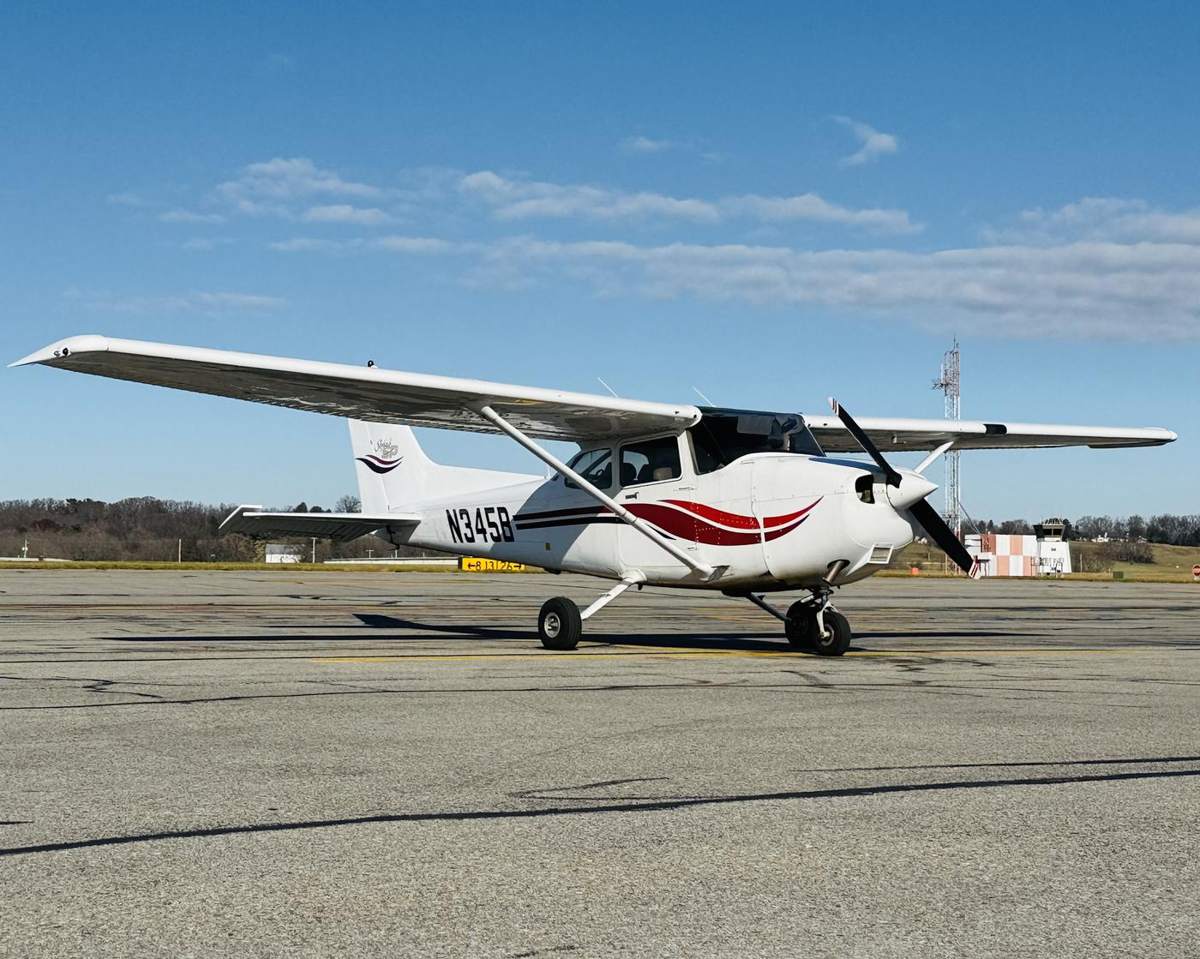
Flight schools finance fleets with a mix of acquisition loans, operating leases, sale-leasebacks and fleet facilities. The strongest requests size the fleet from real demand, show hours flown per aircraft and enrollment, and match each aircraft to the structure that fits its role.
Key takeaways
- Size the fleet from enrollment and utilization before talking to lenders.
- Many schools own a core fleet and lease aircraft for growth.
- Sale-leasebacks can release cash from aircraft the school already owns.
- Lenders who understand training underwrite on hours and pipeline, not just credit.
How many aircraft does a flight school need?
Start with demand, not with the aircraft you want. Multiply active students by the flight hours each needs per year, then divide by the hours one aircraft can realistically fly after maintenance downtime. The flight school fleet planner does this in seconds and shows how sensitive the answer is to utilization.
Which financing structures fit training aircraft?
| Structure | Best for | Watch for |
|---|---|---|
| Acquisition loan | Core trainers you will fly for years | Down payment, overhaul timing |
| Operating lease | Growth aircraft while demand is proven | Hour limits, return conditions, reserves |
| Sale-leaseback | Releasing cash from owned aircraft | Lease cost vs return on the cash |
| Fleet facility | Adding several aircraft over time | Commitment fees, availability period |
What do lenders check for a flight school?
Lenders and lessors that specialize in training look at the school as a business. Expect questions about:
- Enrollment, the student pipeline for the next 12 months and how students pay
- Hours flown per aircraft per month, and how that has trended
- Your maintenance program, in-house or outsourced, and typical downtime
- Your Part 141 certificate or Part 61 operating history and instructor staffing
- Financial statements and the owners' experience and guarantees
Why does utilization change the financing?
Training aircraft fly far more than private aircraft. AOPA Finance has noted that lenders view aircraft leased back to flight schools as higher-usage collateral and often require larger down payments for them. High hours mean engines reach overhaul sooner and values fall faster, so lenders adjust terms, and lessors price that wear into rent. Showing a disciplined maintenance program helps offset this.
Can a new flight school get aircraft financing?
Yes, though newer schools usually see larger down payments, shorter terms or lease structures. Lenders lean on owner experience, enrollment commitments, partnerships with universities or airlines, and guarantees when operating history is short.
How to build a stronger request
- Size the fleet from demand with the fleet planner.
- Gather 12 months of hours flown per aircraft and enrollment data.
- Prepare two years of financial statements and a current-year profit and loss.
- Decide which aircraft you want to own and which to lease.
- Check your readiness with the deal readiness score.
Flight School Fleet Planner
How many aircraft your enrollment really needs.
Frequently asked questions
Can flight schools lease simulators?
Often yes. Flight training devices and simulators can be leased or financed, sometimes inside the same fleet facility as aircraft.
Is it better for a school to own or lease?
Many schools do both: own the aircraft that will fly for years and lease growth aircraft until demand is proven.
Sources
This guide is educational and is not tax, legal or investment advice. See our editorial standards and disclosures. Spot an error? Tell us.