How Many Aircraft Does a Flight School Need Per Student?
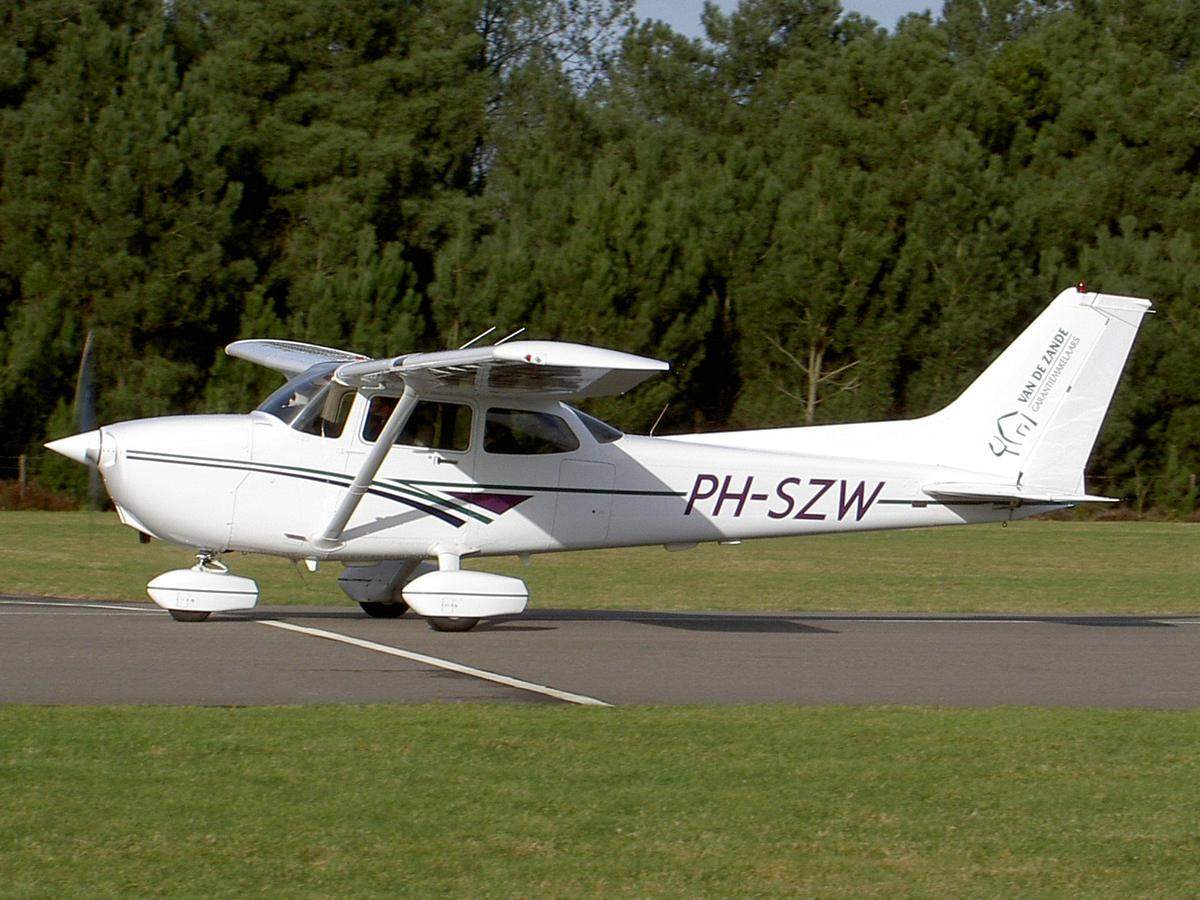
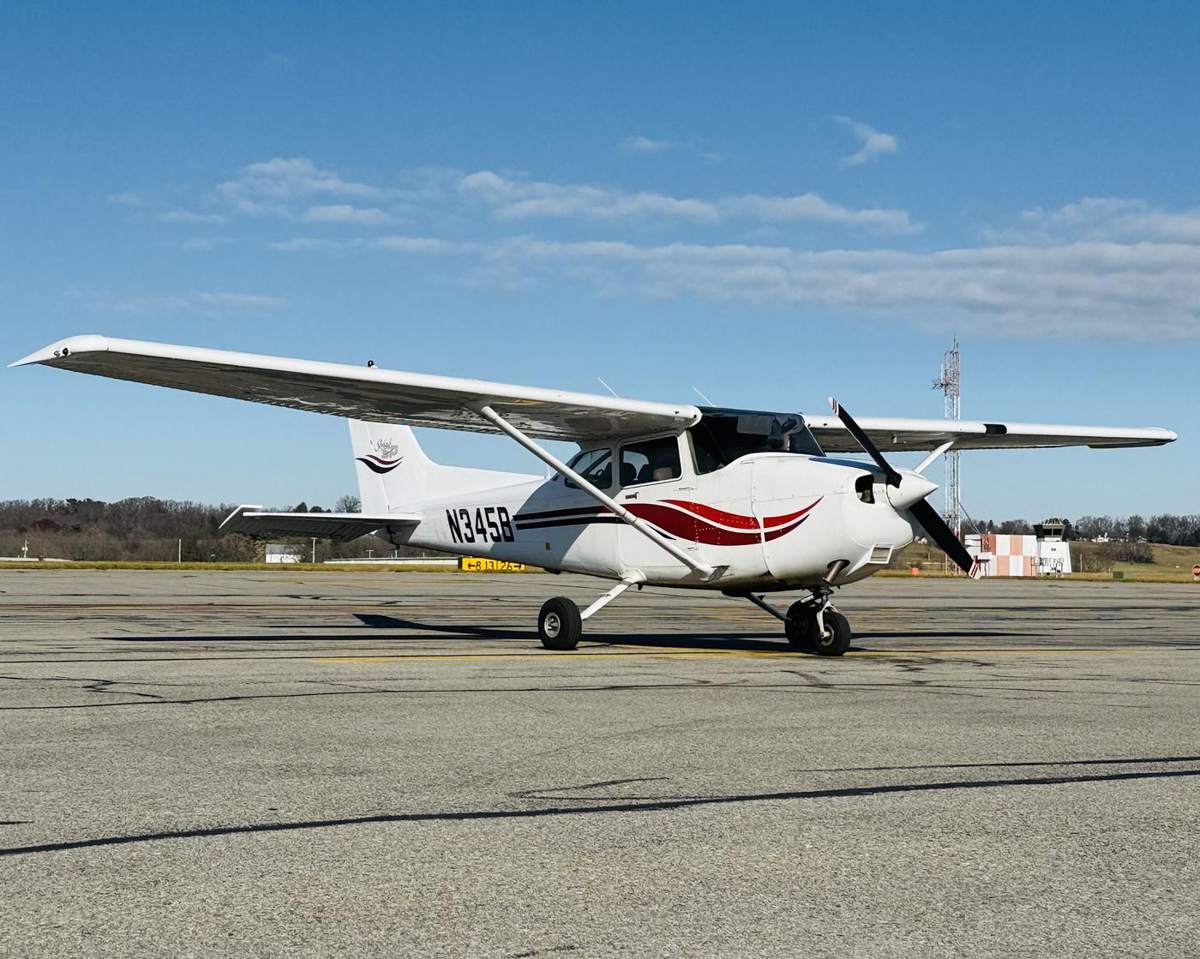
There is no fixed number of aircraft per student. A flight school needs enough aircraft to cover its total annual training hours at a realistic utilization per aircraft, plus a buffer for maintenance and weather. Divide hours needed by hours one aircraft can truly fly, round up, and test the result at lower utilization before you ask a lender to finance it.
Key takeaways
- Fleet size comes from total training hours divided by realistic hours per aircraft, not from a students-per-aircraft rule of thumb.
- FAA minimum hours are floors; most students log more, so plan from your own records.
- Lower utilization can add a whole aircraft, which raises the financing request.
- Lenders rebuild this math, so show hours flown per aircraft and enrollment you already have.
How many aircraft does a flight school need per student?
A flight school needs enough aircraft to fly all of its students' training hours in a year at a utilization each aircraft can sustain. There is no reliable students-per-aircraft ratio, because the answer moves with hours per student, instructor availability, weather, maintenance and how many students are active at once.
The formula is simple: total training hours needed, divided by realistic hours per aircraft per year, rounded up. The hard part is choosing honest inputs. The flight school fleet planner runs the math, and this article explains where each input comes from.
How many flight hours does each student need?
Start with the FAA minimums, then replace them with your own data. The minimums are floors for certificate eligibility, not averages.
| Certificate | Rule | Minimum |
|---|---|---|
| Private pilot, airplane single-engine | Part 61, 61.109(a) | 40 hours of flight time, including 20 of flight training and 10 solo |
| Commercial pilot, airplane single-engine | Part 61, 61.129(a) | 250 hours of flight time as a pilot |
| Approved Part 141 courses | Part 141 appendices | Set per course; for example, 35 hours of flight training in the private pilot airplane course |
Those numbers describe the least a student may log, not what your students log. Pull the last two years of student records and compute average hours to certificate by program. Students who fly infrequently, repeat lessons or pause for weather and work tend to need more. The airframe time also differs from the student time: dual instruction flown in a simulator or flight training device does not use an aircraft, so schools using devices can size a smaller fleet. See our guide to leasing flight simulators and flight training devices.
How many hours can one training aircraft really fly?
Use your own flown hours per aircraft per year, net of downtime. Do not use a theoretical maximum. AOPA Aviation Finance reports that a private owner might fly about 100 hours a year, a flying club aircraft 200 to 300, and a popular flight school roughly double that. Those are general observations, so your own records matter more.
Three things reduce usable hours:
- Scheduled maintenance. Inspections and engine work take an aircraft out of service. A fleet with an overhaul coming due needs spare capacity.
- Weather and daylight. Seasonal flying leaves aircraft idle in some months and oversubscribed in others.
- Instructor and student schedules. An aircraft sits unused when no instructor is available, even if it is airworthy.
Heavy use also shortens engine life. AOPA says heavy training use can cut the time to overhaul from five to seven years down to two or three. Plan overhaul reserves into your cost per hour; our guide to financing an aircraft engine overhaul covers the options.
What does a fleet-sizing calculation look like?
This example is hypothetical. The numbers are illustrative and are not benchmarks.
In this example the school looks like a four-aircraft fleet, but any shortfall in utilization leaves no margin, and a drop to 500 hours adds a fifth aircraft. Dividing 40 students by 4 aircraft gives 10 students per aircraft, yet that ratio would change as soon as hours per student or utilization changed. This is why a fixed ratio misleads. A better way to read the table: the four-aircraft fleet works only if every aircraft averages at least 600 hours.
How big should the buffer be?
Add enough capacity that one aircraft in the shop does not stop training. Many schools hold a spare or cover peaks with a leased aircraft, since a lease can be added and returned more easily than a purchase. An operating lease fits growth aircraft while demand is unproven, and owned aircraft fit the core fleet. Compare costs in our aircraft lease vs buy guide.
Check the aircraft requirements that apply to you. For Part 141 schools, section 141.39 requires, among other things, that training aircraft be U.S. civil aircraft with the airworthiness certification the rule lists, maintained and inspected as aircraft operated for hire, and have two pilot stations with engine-power controls reachable from both for flight training. An aircraft that does not meet these cannot be counted in the fleet.
How do seasons and peak demand change the answer?
Annual averages hide the months that strain a fleet. If most students start in the same few months, or fly mainly in good weather, the aircraft you need at peak is higher than the annual average suggests. Build the calculation by month for the busiest quarter, then compare it to your slowest months. If the gap is wide, a short-term lease for the peak may cost less than owning an aircraft that sits idle for part of the year. Our guide to short-term and seasonal aircraft leases explains how those leases work, and the same logic applies to training capacity. Also count instructors: an aircraft needs an instructor and a student at the same time, so instructor hours can cap utilization before the airframe does.
What will lenders ask about fleet size?
Lenders will rebuild your calculation, so give them the inputs. Expect to show:
- Active enrollment and the next 12 months of committed students
- Hours flown per aircraft per month for the past 12 to 24 months
- Average hours to certificate by program
- Aircraft downtime history and your overhaul reserve
- The financing structure planned for each aircraft
A fleet sized to enrollment you already have is easier to finance than one sized to hoped-for enrollment. Test your plan against lower utilization first, then price the loan side with the aircraft loan calculator and read how to finance a flight school fleet, our guide to the whole process. For the broader picture, see airplane financing.
What should a school do next?
Gather 12 months of hours per aircraft, compute hours per student by program, run the formula at three utilization levels and decide how many aircraft to own versus lease. If you want to organize that into a financing request, you can start a deal file with JetFinex. This article is general information, not individual advice; confirm FAA requirements with the FAA and your lender and advisors.
Flight School Fleet Planner
How many aircraft your enrollment really needs.
Want the payment on a specific aircraft? Try the aircraft loan calculator: set the price, down payment, rate, term and balloon and see the monthly payment and total interest.
Frequently asked questions
How many students can one training aircraft support?
It depends on hours per student per year and hours the aircraft can fly. Divide the aircraft's realistic annual hours by the hours each student flies. Use your own records rather than a general ratio.
Do FAA minimum flight hours decide fleet size?
No. Minimums such as 40 hours for a private pilot certificate under Part 61 are floors for eligibility, and many students need more. Size the fleet from the hours your students actually log.
Does Part 141 change how many aircraft a school needs?
Part 141 sets aircraft standards, such as dual controls and standard or similar airworthiness certification, and approved courses can have lower minimum hours. Fleet size still comes from your demand and utilization.
Sources
- FAA, 14 CFR 61.109 Aeronautical experience (private pilot)
- FAA, 14 CFR 61.129 Aeronautical experience (commercial pilot)
- FAA, 14 CFR Part 141 Pilot Schools (section 141.39 and appendices)
- AOPA Finance, Difficulties Financing an Aircraft for Leaseback
This guide is educational and is not tax, legal or investment advice. See our editorial standards and disclosures. Spot an error? Tell us.