Light Jet Financing for New Charter Operators: What Lenders Need
Light jet financing for a new charter operator is possible, but lenders price in two risks: the jet and an operator with no charter history. AOPA Aviation Finance says 30% down is typical for Part 135 charter use, and lenders quoted by AvBuyer describe shorter terms, higher rates and annual hour caps. You will usually need to secure the aircraft before the FAA issues your certificate.
Key takeaways
- AOPA Aviation Finance describes 30% down as typical for Part 135 charter, against up to 85% financing for Part 91 use.
- The FAA's Part 135 certification runs through 5 phases and 3 gates, and aircraft purchase or lease documents are part of the formal application, so you carry the jet before it earns.
- Crew rules drive cost: a turbojet captain in passenger-carrying Part 135 operations must hold an airline transport pilot certificate under 14 CFR 135.243.
- New applicants must have a safety management system meeting 14 CFR Part 5 before certification.
- Placing the jet on an established operator's certificate, or leasing, can bridge the gap until you have your own track record.
Can a new charter operator finance a light jet?
Yes, but a new charter operator pays for being new. A lender financing a light jet for charter is underwriting two things at once: a jet that will fly more hours than a private aircraft, and a company with no charter revenue to show. Expect more equity, tighter terms and closer review of your operating plan than an established operator would face.
AOPA Aviation Finance puts the gap in plain numbers. For Part 91 personal or business use, it says lenders "typically will finance up to 85% of the purchase price or aircraft value, whichever is less." For Part 135 charter, it says "30% down is typical for this type of usage." Its turbine program page adds that Part 91 and 135 usage is acceptable to its lenders and that most of them require an engine program.
The general borrowing process is the same as for any aircraft, which our airplane financing guide walks through. What changes for a start-up charter company is timing, crew cost and the conditions written into the loan.
Do you need a Part 135 certificate before you finance the jet?
Usually you need the aircraft before you have the certificate, which is the core financing problem for new operators. The FAA says its Part 135 certification process "utilizes a phase and gate system that has 5 distinct phases and 3 gates": pre-application, formal application, design assessment, performance assessment and administrative functions. The certificate and operations specifications are issued only in the final phase.
Two details on the FAA's page matter for your budget:
- The aircraft is part of the application. The formal application list includes "documents of purchase, contracts, and/or lease attachments." You need a jet under contract or lease while the FAA reviews you.
- Start dates are not guaranteed. After the pre-application statement is accepted, the FAA runs a resource check that decides whether certification will begin or the applicant goes onto a wait list.
The FAA also notes that from September 30, 2026, Part 135 applications are moving to its Aviation Integrated Safety (AIS) Services system, so check the current portal before you file. Every month between closing and your first revenue flight is a month of payments, insurance, hangar and crew cost with no charter income. Build that period into your equity and reserves, and ask lenders whether interest-only months or a delayed first payment are available.
One more requirement now applies from day one. Under 14 CFR 5.9(b), anyone applying for Part 135 authority on or after May 28, 2024 must develop and implement a safety management system that meets Part 5. Existing certificate holders have until May 28, 2027. Budget the time and consulting cost for an SMS as part of certification.
Which crew rules affect a light jet charter budget?
Crew rules set a large share of your fixed cost, and lenders will test your budget against them. The main Part 135 rules for a light jet are:
| Rule | What it says | Budget effect |
|---|---|---|
| 14 CFR 135.243(a)(1) | The pilot in command of a turbojet airplane in passenger-carrying operations must hold an airline transport pilot certificate and, if required, a type rating | Your captains need an ATP; plan salary and type training to match |
| 14 CFR 135.99(b) | A second in command is required if the aircraft has 10 or more passenger seats, excluding pilot seats | Check the seat configuration of the exact aircraft |
| 14 CFR 135.105 | An aircraft may operate without a second in command if it has an operative approved autopilot and the operations specifications authorize it | Single-pilot charter needs FAA approval, which may carry conditions |
| 14 CFR 205.5 | Air taxi operators registered under 14 CFR Part 298 must carry minimum third-party and passenger liability coverage | A regulatory floor; your lender's insurance covenant can be higher |
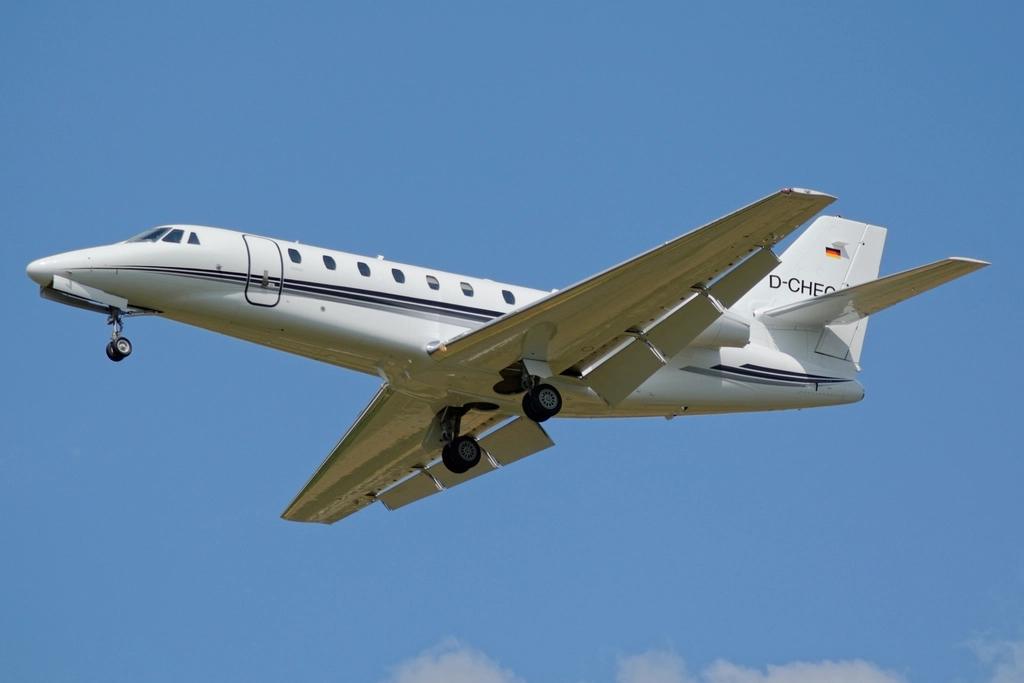
Light jets such as the Citation CJ3 and Phenom 300 are certified for single-pilot operation, but certification alone does not authorize single-pilot charter. Plan both cases: a two-pilot budget, and a single-pilot budget that assumes FAA approval under 135.105. Insurers and charter customers may also expect two pilots, so ask your broker before you rely on the cheaper case.
What loan terms should a new charter operator expect?
Expect charter terms, plus extra scrutiny because you have no history. In AvBuyer's 2023 survey of lenders, AOPA Aviation Finance's Adam Meredith said charter use typically brings "lower advance rates on the loan, a shorter amortization period and term, and a higher interest rate." The same article reported:
- Hour caps. Meredith said "many lenders will limit the total hours flown in a year," and may require extra principal reduction above the cap. PNC Aviation's Wendy Preston called an hour cap the main restriction owners are likely to face.
- Operator review. Global Jet Capital's Steve Day said charter operation is authorized through a charter addendum, with "required operator reviews and supporting documentation."
- Engine program. Lenders often require the aircraft to be enrolled on an engine maintenance program. Pratt and Whitney Canada describes its ESP program as pay-per-hour with coverage that transfers at sale.
- Higher equity. The National Aircraft Finance Association said it would be prudent to expect a higher down payment and shorter term than for Part 91 use.
Check published starting rates on our dated aircraft loan rates page, but treat them as best-case figures. A start-up charter file will rarely price at the starting rate.
Which structure fits a new charter operator?
New operators have three main paths. The right one depends on how soon you need revenue and how much equity you have.
| Path | How it works | Watch for |
|---|---|---|
| Own the jet, own the certificate | Your company buys with a loan and operates under its own Part 135 certificate | Highest equity; payments start before certification ends |
| Own the jet, use an established operator | You buy the jet and place it on an existing certificate holder's operations under a management agreement | Revenue split, operational control and what happens if the agreement ends |
| Lease the jet | A lessor owns the aircraft and you pay rent, often with lower upfront cash | Return conditions, hour limits and lessor consent for charter |
The second path lets a lender underwrite an operator with a record, which can help a first deal close. Our guide to aircraft management agreements explains what lenders check. For the lease route, compare finance leases and operating leases.
What does a light jet charter payment look like?
The figures below are hypothetical and show the math only. They are not a quote, a market price or a rate offer.
The shorter amortization adds about $109,200 a year. At a contribution of $1,500 per charter hour, also hypothetical, the 10-year payment alone needs about 332 charter hours a year, before insurance, crew and hangar. The certification months add a one-time cost you must fund from equity or reserves. Run your own numbers in the aircraft loan calculator, then load the annual payment into the charter breakeven calculator. Our explainer on charter breakeven hours covers each input.
What should a new operator bring to a lender?
- Certification status: where you are in the five FAA phases, your schedule of events and your SMS plan.
- Management team: resumes for the accountable manager, director of operations, chief pilot and director of maintenance.
- Demand evidence: customer letters of intent, contracts or a card program, and expected hours by month.
- Breakeven: base and downside cases, with any lender hour cap and the pre-revenue months built in.
- Crew plan: two-pilot and single-pilot budgets, with ATP and type rating costs.
- Aircraft file: pre-buy inspection, engine program status and insurance quotes that meet Part 205 and the lender's covenant.
- Financials: company and guarantor statements, and liquidity for reserves.
The fuller document list is in our guide to financing a Part 135 charter aircraft. If you want help building that file for lenders and lessors, you can start a deal file with JetFinex.
What should you do next?
Talk to lenders that finance Part 135 aircraft before you sign a purchase agreement, and ask each one about hour caps, engine program rules and how it treats an operator still in certification. Compare a purchase on your own certificate with placing the jet on an established operator's certificate. Confirm the structure, operational control and tax treatment with aviation counsel and a tax advisor. This article is general information, not legal, tax or financing advice.
Charter Aircraft Breakeven Calculator
Charter hours a year to cover fixed costs.
Want the payment on a specific aircraft? Try the aircraft loan calculator: set the price, down payment, rate, term and balloon and see the monthly payment and total interest.
Frequently asked questions
Can a brand-new charter company finance a light jet?
Yes, but expect a larger down payment and tighter terms. AOPA Aviation Finance says 30% down is typical for Part 135 charter, and lenders quoted by AvBuyer describe shorter amortization, higher rates and annual hour caps for charter aircraft.
Do I need my Part 135 certificate before I buy the jet?
Usually not, and often you cannot wait. The FAA's formal application includes documents of purchase, contracts or lease attachments, so most applicants secure an aircraft during certification and carry its costs before charter revenue starts.
Can a light jet fly Part 135 charter with one pilot?
Possibly. 14 CFR 135.105 lets a certificate holder operate without a second in command if an approved autopilot is installed and its use is authorized in the operations specifications. Aircraft with 10 or more passenger seats always need a second in command under 14 CFR 135.99.
Do new Part 135 operators need a safety management system?
Yes. Under 14 CFR 5.9(b), anyone applying for Part 135 authority on or after May 28, 2024 must develop and implement an SMS meeting Part 5. Existing operators have until May 28, 2027.
Is it easier to put the jet on another operator's certificate?
Often. A lender can underwrite an established certificate holder's history, usually through a management agreement and charter addendum. Read the agreement terms on hours, revenue and operational control before you sign.
Sources
- AOPA Aviation Finance, What is the typical down payment percentage on a jet?
- AOPA Aviation Finance, Turbine and turboprop aircraft financing
- AvBuyer, Part 91 and 135 Ops: Aircraft Financing Differences (Gerrard Cowan, Feb. 20, 2023)
- FAA, 14 CFR Part 135 Certification Process
- Cornell Law School LII, 14 CFR 135.243, Pilot in command qualifications
- Cornell Law School LII, 14 CFR 135.99, Composition of flight crew
- Cornell Law School LII, 14 CFR 135.105, Exception to second in command requirement
- Cornell Law School LII, 14 CFR 5.9, SMS applicability for Part 135 operators
- Federal Register, Safety Management Systems final rule (April 26, 2024)
- Cornell Law School LII, 14 CFR 205.5, Minimum insurance coverage
- Pratt and Whitney Canada, ESP maintenance program
This guide is educational and is not tax, legal or investment advice. See our editorial standards and disclosures. Spot an error? Tell us.