Flight schools finance training aircraft through loans, operating leases, sale-leasebacks and fleet facilities. Lenders and lessors who fund training fleets look at enrollment, hours flown per aircraft and the maintenance program, not just credit.
Training aircraft work harder than almost any other general aviation aircraft. A busy trainer can fly several times the hours of a privately owned airplane, which changes how lenders think about value, maintenance and term. Lenders who understand training will underwrite on the school's demand and maintenance discipline; lenders who do not may treat the aircraft like a personal plane and offer poor terms.
Many schools own a core fleet and lease aircraft for growth, then convert to ownership once demand is proven. Sale-leasebacks can release cash from aircraft the school already owns. Fleet facilities help schools that plan to add several aircraft over the next few years.
What lenders look at
- Enrollment and 12-month student pipeline
- Hours flown per aircraft per month
- Maintenance program and downtime
- Part 141 certificate or Part 61 operating history
- Owner experience and guarantees
Structures that usually fit
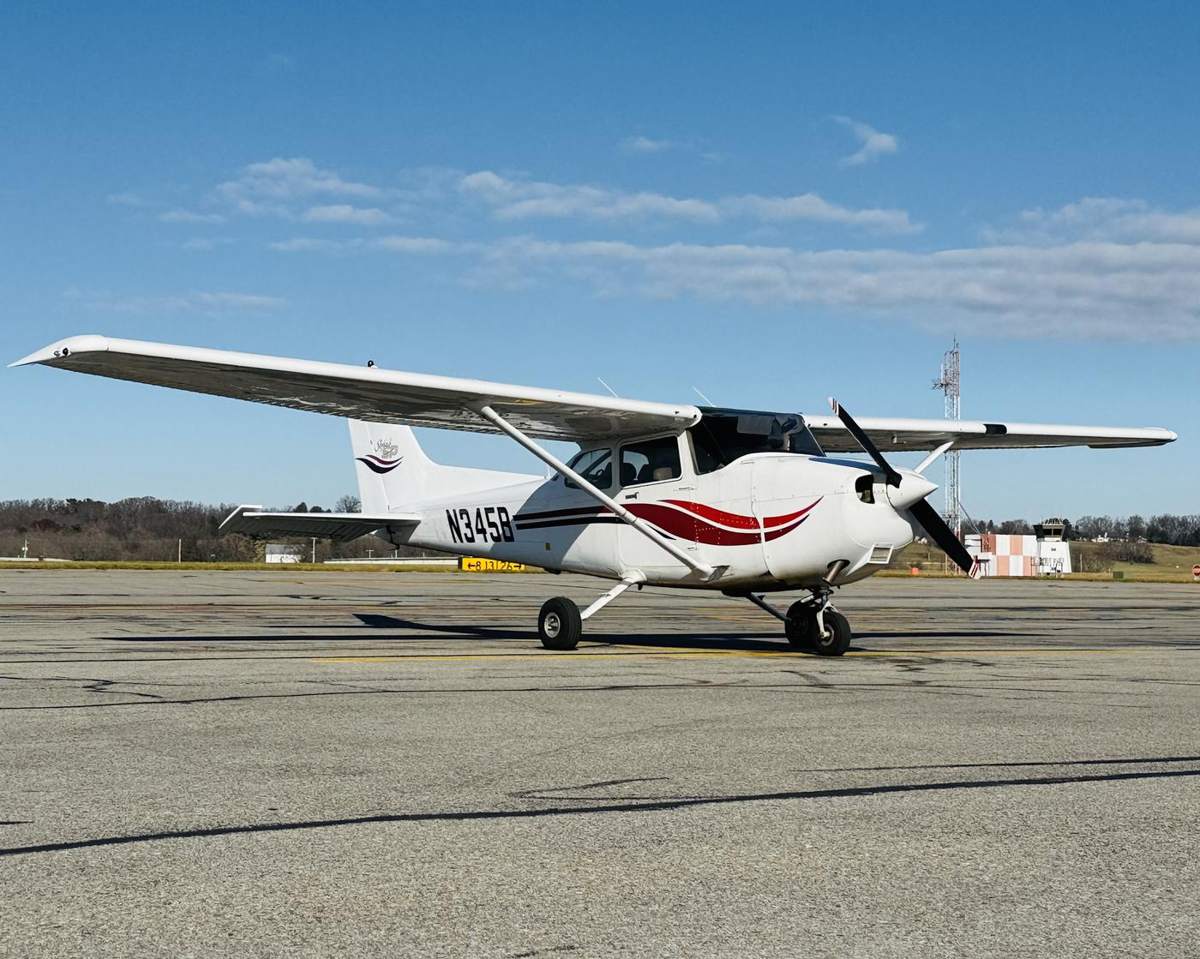
Common aircraft
Flight School Fleet Planner
How many aircraft your enrollment really needs.