Financing Multi-Engine Trainers for Flight School Ratings Programs
Lenders finance multi-engine trainers the way they finance other training aircraft, but they look harder at utilization, because a twin usually flies fewer hours than a single-engine trainer while carrying a larger payment, higher insurance and two engines to overhaul. Plan the loan or lease around the hours your program will really fly, keep a maintenance and engine reserve, and consider a lease or a shared aircraft if your multi-engine volume is small.
Key takeaways
- A twin trainer is a bigger fixed cost spread over fewer hours, so utilization is the number that decides whether the payment works.
- Size the fleet to the multi-engine phase of your program, not to total enrollment: a few twins often serve many students.
- Two engines mean two overhaul reserves. Lenders and lessors will ask how you fund them.
- Compare a loan, a lease and a sale-leaseback on cost per flight hour at your own utilization before choosing.
- Insurance, instructor availability and downtime for twin-specific maintenance belong in the budget lenders review.
How do flight schools finance a multi-engine trainer?
Most flight schools finance a twin trainer with a secured aircraft loan or a lease. The structure is familiar: a down payment, a fixed or floating rate, a term tied to the aircraft's age and condition, and the aircraft as collateral. For the general mechanics, start with our guide to airplane financing and the overview of how to finance a flight school fleet.
What changes with a twin is the lender's focus. A primary trainer flies all day with many students. A multi-engine airplane is typically used for one phase of a program, so lenders ask how many hours it will really fly, who will fly them, and what happens to the payment if enrollment dips.
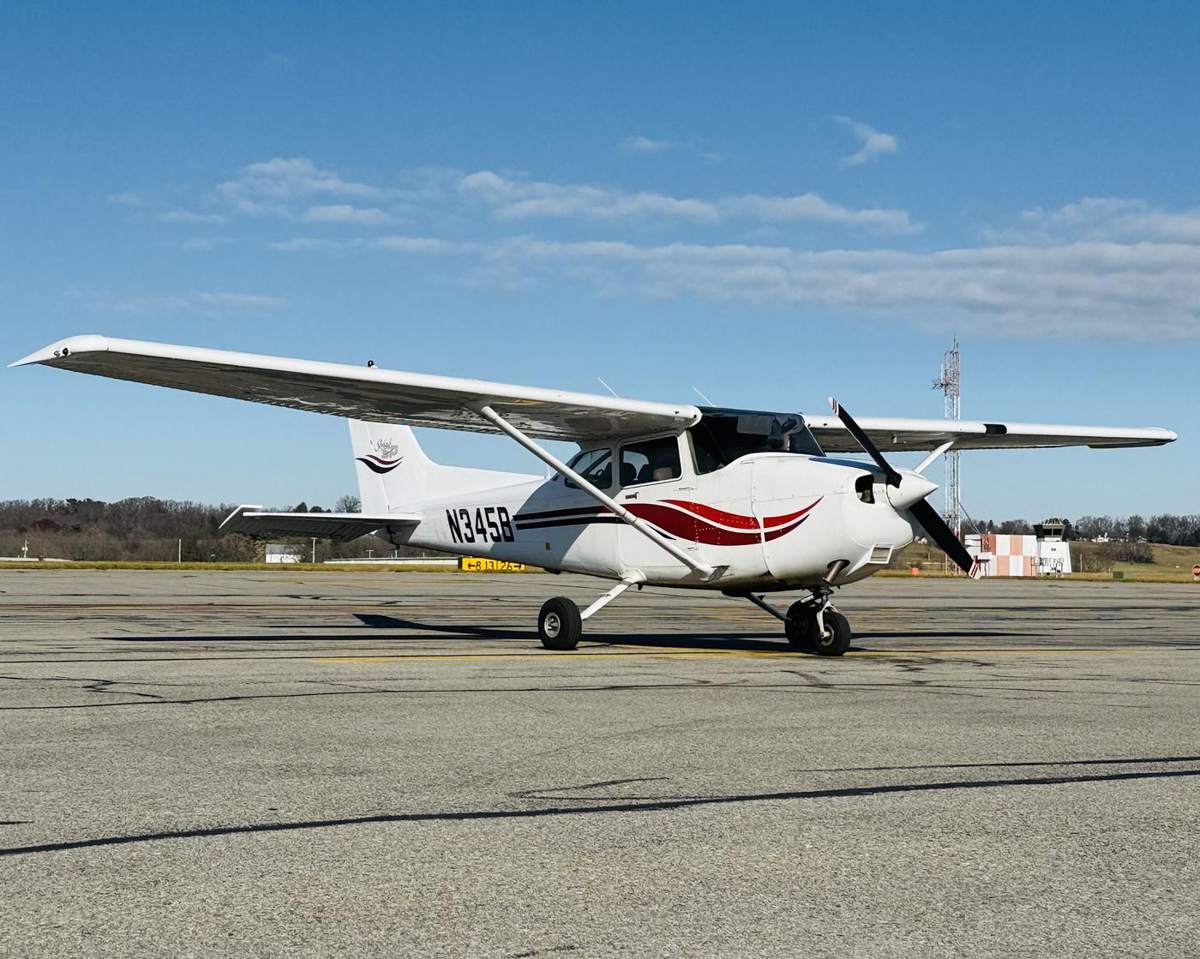
Recent fleet news shows schools adding twins deliberately for that phase. In July 2026, AFM reported that Piper delivered a fifth PA-44-180 Seminole to United Aviate Academy in Arizona. The twins support the multi-engine phase of its pilot training, and the school agreed to acquire up to three Seminoles with options for more, alongside Cirrus SR20 and Diamond DA42 aircraft. AFM did not report a price or financing terms. In August 2026, AFM also reported that Embry-Riddle's Daytona Beach fleet lists 14 Diamond DA42-VI twins next to 87 Cessna 172s, and that Middle Tennessee State lists seven Piper Seminoles among 50 training aircraft. The pattern is a small number of twins serving a much larger student body.
Why do lenders focus on utilization for a twin?
Lenders focus on utilization because a twin is a larger fixed cost spread over fewer hours. The payment, insurance and engine reserve are due every month whether the aircraft flies 20 hours or 60. Our guide to utilization benchmarks lenders look for explains how to document hours; for a twin, build the case from your own program data.
A lender will usually want to see:
- How many students reach the multi-engine phase each year, and your history of completions.
- How many flight hours each student needs in the twin, based on your syllabus and the practical test standards.
- Instructor availability: twin-qualified instructors are fewer, and one departure can idle an aircraft.
- Scheduling and weather history, since idle days still cost money.
- Whether the twin earns other revenue, such as rental to rated pilots or checkout flights.
Be careful with any rule of thumb you hear for hours per year. Neither the FAA nor GAMA publishes a standard utilization figure for twin trainers, so use your own flight records rather than a borrowed benchmark.
What does a twin trainer payment cost per flight hour?
The fixed financing cost per flight hour is the monthly payment divided by monthly hours flown. The example below is hypothetical. The price, rate and term are assumptions chosen to show the math, not quotes or market data. For current published rates, see aircraft loan rates, and run your own numbers in the aircraft loan calculator.
Halving the hours doubles the financing cost per hour, before insurance, maintenance and reserves. If the school's rental or training rate does not cover that gap, the twin loses money on every hour. This is why many programs treat the twin as part of a package priced into the full rating, not as a stand-alone profit center.
Should a school lease or buy a twin trainer?
Choose by volume and cash, not habit. A lease usually needs less cash up front and can give a newer aircraft sooner; a loan builds equity. Our guides to operating vs finance leases and finance leases cover the structures, and lease vs buy covers the decision.
| Option | Best when | Watch for |
|---|---|---|
| Loan | Steady multi-engine volume and a long hold period | Down payment, balloon, personal guarantee |
| Operating lease | Uncertain volume or a wish for a newer aircraft | Return conditions, hour limits, reserves |
| Finance lease | You want ownership at the end | Full responsibility for maintenance and insurance |
| Sale-leaseback | You own the twin and want to free cash | Rent plus loss of ownership upside |
| Rent or share a twin | Very small multi-engine volume | Scheduling, margin and no collateral value |
If you already own a twin, how aircraft sale-leasebacks work explains how to turn it into working capital. Ask a tax advisor how depreciation applies to your situation; IRS Publication 946 is the starting reference, and the rules for bonus depreciation have changed in recent years.
How should a school plan for two engines?
Plan for two engine overhauls and two sets of accessories. Reciprocating engines in trainers are normally overhauled or replaced at a manufacturer-recommended time between overhaul, and a twin needs that for both engines. Lenders and lessors may require a reserve, and a lease often sets one by the hour. See financing an aircraft engine overhaul and maintenance reserves in aircraft leases.
Diesel twins add a different cost mix. The DA42-VI is listed by Diamond with two Austro Engine AE300 engines, and Plane & Pilot's 2014 review noted that the diesel DA42 carries a higher price than a Seminole, which the author said put it out of reach for some schools. That is a 2014 comparison, not a current quote, so request current prices from manufacturers. Whatever the engine, ask for the manufacturer's overhaul interval and cost, and put both engines in your reserve.
How do aircraft age and condition affect the loan?
Older twins are usually cheaper to buy but harder to finance. Lenders set limits on age, hours and engine time, and they may require an appraisal and a pre-buy inspection. Read financing a used aircraft, what an aircraft appraisal covers and pre-buy inspections before you commit. A twin with high time on both engines may need an overhaul soon after purchase, so budget it into the deal.
What should a school have ready before applying?
- Enrollment and completion history for the multi-engine phase, and an hours-per-student estimate from your syllabus.
- A monthly budget that includes payment, insurance, hangar, fuel, maintenance and both engine reserves.
- Instructor plan: who is twin-qualified and what happens if they leave.
- Downtime plan: a backup aircraft, partner or rental arrangement.
- Your certificate type, since Part 61 and Part 141 programs differ in structure; see Part 61 vs Part 141 and financing.
- Standard financing documents; see what to prepare before applying.
The practical test requirements for multi-engine ratings are set in 14 CFR Part 61 and the FAA's practical test standards. Confirm the current requirements there when you write your syllabus, because training hours drive your utilization math.
What is the next step?
Model the twin on its own, then in the context of your whole fleet with the flight school fleet planner. If the numbers hold at a conservative utilization, you can start a deal file with JetFinex and compare structures. For the broader picture, see our flight school operator guide. This article is general information, not tax, legal or lending advice; confirm specifics with your advisors and lender.
Flight School Fleet Planner
How many aircraft your enrollment really needs.
Want the payment on a specific aircraft? Try the aircraft loan calculator: set the price, down payment, rate, term and balloon and see the monthly payment and total interest.
Frequently asked questions
How do flight schools finance a multi-engine trainer?
Most use a secured aircraft loan or a lease, often with a down payment and a term matched to the aircraft's useful life. Lenders review the school's financials, hours flown and the aircraft's age and condition. Compare options on cost per flight hour.
Why do lenders worry about twin utilization?
A twin is usually used for one phase of a program, so it can sit idle more than a primary trainer. Fewer billable hours means less revenue to cover a larger payment, insurance and engine reserves.
Is it better to lease or buy a twin trainer?
It depends on volume, cash, tax position and how long you will keep the aircraft. Leasing lowers the upfront cash and can add flexibility; buying builds equity and may offer deductions. Confirm tax treatment with a tax advisor.
Do schools need their own twins to offer a multi-engine rating?
Not always. Some schools rent or share an aircraft, or partner with another operator for the multi-engine phase. That avoids a large fixed payment but gives up control of scheduling and margin.
Sources
- AFM, United Aviate Academy expands multi-engine fleet with 5th Piper Seminole (July 28, 2026)
- AFM, Diamond Aircraft highlights US training fleet growth at EAA AirVenture Oshkosh 2026 (Aug. 3, 2026)
- Plane & Pilot, Training With Seminoles (Bill Cox, April 1, 2014)
- eCFR, 14 CFR Part 61, Certification: Pilots, Flight Instructors, and Ground Instructors
- IRS, Publication 946, How To Depreciate Property
This guide is educational and is not tax, legal or investment advice. See our editorial standards and disclosures. Spot an error? Tell us.