Replace an Aging Training Fleet: Buy, Lease or Refurbish
Replace an aging training fleet in stages, and choose buy, lease or refurbish aircraft by aircraft. Refurbishing usually has the lowest monthly cost when the airframe is sound and the overhaul and avionics work is priced. Leasing gets new aircraft sooner and keeps cash free. Buying gives ownership and tax deductions but needs a down payment and long OEM lead times. Compare all three on cost per flight hour at your actual utilization.
Key takeaways
- Decide per aircraft: sound airframes with a priced overhaul can be refurbished, while the oldest or least reliable aircraft are the first to replace.
- Compare options on cost per flight hour at your real utilization, including fixed payments, insurance, reserves and downtime.
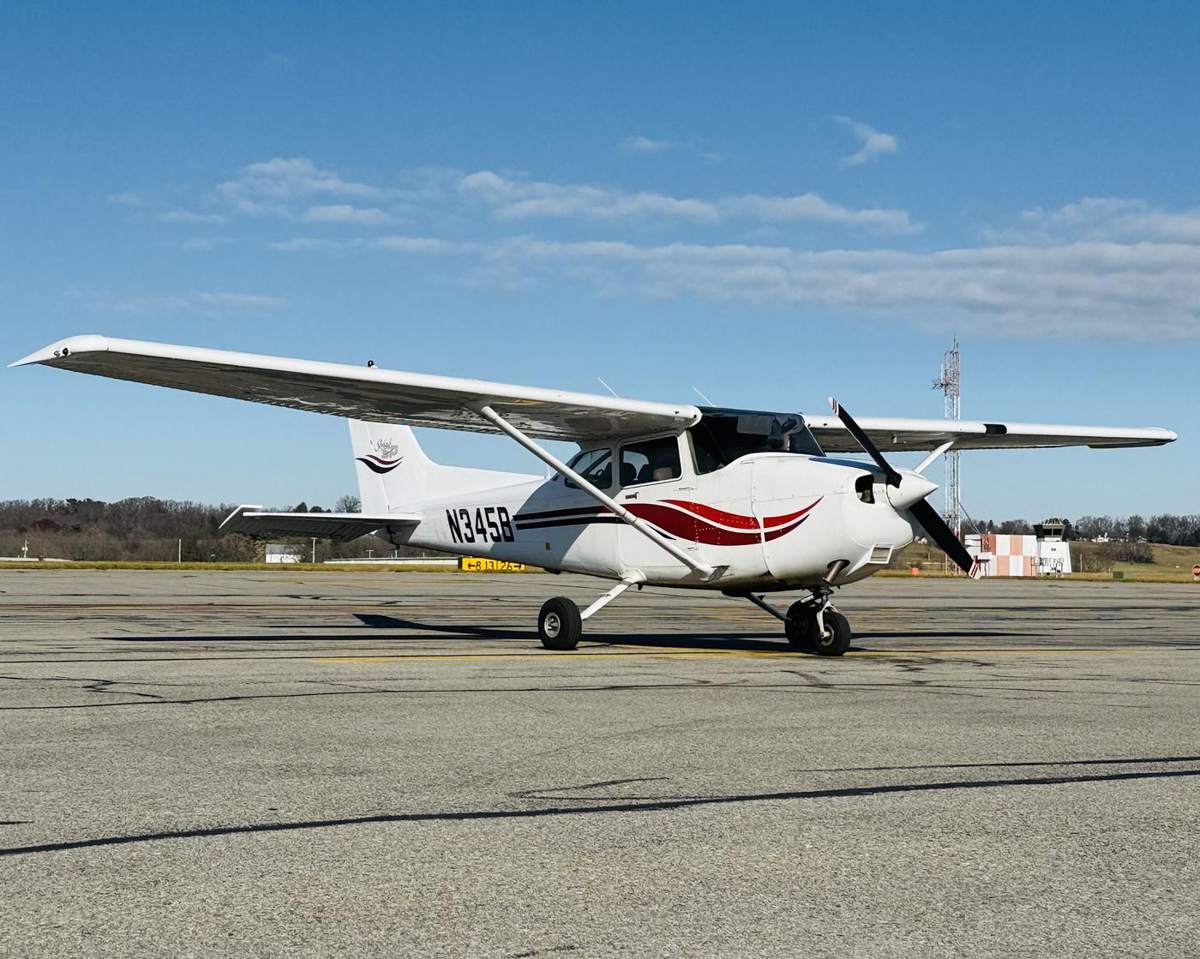
- New trainers can have long lead times. A December 2025 trade report said new-production Cessna 172 slots were booked into 2027, which is why some schools lease available aircraft.
- Bonus depreciation rules changed in 2025, so ask a tax advisor how buying compares with leasing before you sign.
- Replace in stages so students keep flying and no single payment or delivery date puts the whole school at risk.
Should a flight school buy, lease or refurbish when its trainers get old?
Most schools should do a mix, decided aircraft by aircraft. Refurbishing a sound airframe is usually the lowest monthly cost, leasing is the fastest way to add new aircraft without a large down payment, and buying makes sense when you want to own the aircraft over a long horizon and can carry the payment. The right answer comes from cost per flight hour at your real utilization, not from the sticker price.
This guide gives you a way to compare the three. If you are earlier in the process, start with how to finance a flight school fleet, and for the wider picture see airplane financing.
How do you know a training aircraft is due for replacement?
An aircraft is due when keeping it costs more per useful hour than replacing it. Age alone does not decide this, because many older trainers fly safely for years with good maintenance. Look at the numbers for each airframe:
- Downtime. Days out of service per year, and how many scheduled lessons were lost.
- Maintenance cost per flight hour. Include unscheduled repairs, not just inspections.
- Time to the next big event. An engine near time between overhaul or a propeller, avionics or interior project that is due.
- Program fit. Students and partners may expect modern avionics, and a Part 141 school must keep aircraft that meet 14 CFR 141.39, including the airworthiness and equipment requirements in that rule.
- Lender view. Lenders watch aircraft in heavy training use and engines near overhaul. AOPA Finance has noted this caution in its leaseback guidance.
Heavy training use brings inspections quickly. Under 14 CFR 91.409(b), flight instruction for hire in an aircraft you provide needs an annual or 100-hour inspection within the preceding 100 hours of time in service, so a busy aircraft is in the shop often. See our guide to flight school aircraft utilization for how hours drive that cycle.
When does refurbishing beat replacing?
Refurbishing wins when the airframe is sound and the remaining work has a known price. Typical refurbishment scope is an engine overhaul, new avionics, paint and interior. Each can be financed: see financing an aircraft engine overhaul and financing avionics upgrades.
The risks are real. A refurbished older aircraft still has older systems, and surprises found during the work can erase the savings. Get a pre-buy style inspection before you commit; our guide to aircraft pre-buy inspections shows what to check. Also check how the work will be treated in an appraisal, because lenders value the aircraft, not the money spent on it. See what an aircraft appraisal covers.
When does leasing new trainers make sense?
Leasing makes sense when you want newer aircraft quickly, want to keep cash for operations, or are not sure how many aircraft you will need in five years. Specialist lessors have built programs for schools. When FlytFinance launched in January 2022, AIN reported five-year leases at a flat $4,850 a month for a Cessna 172, with the school paying insurance and maintenance and paying $10 per hour per engine into an engine overhaul reserve, and no minimum-hours requirement. Those were 2022 launch terms, not current prices.
A December 2025 AFM report described another lessor, WingsLeasing, offering up to seven Cessna 172s at $82 per hour for delivery in the second quarter of 2026, and said new-production 172 slots were booked into 2027. Use these as examples of how leases are structured and priced, not as quotes. Terms change, so confirm with each lessor.
Lease structure matters as much as the rate. Check who pays for overhaul reserves, what return conditions apply, and whether you have a purchase option. For those details, read maintenance reserves in aircraft leases, lease return conditions and fair market value vs one-dollar buyout leases. The finance lease page covers the structure that ends in ownership.
When does buying new make sense?
Buying makes sense when you plan to keep the aircraft for many years, can fund the down payment and want full control of the asset. Schools are placing large orders: in July 2023, FLYING reported that Sierra Charlie Aviation ordered 50 Piper Archer TX trainers to replace its fleet of competing single-engine models, with deliveries expected to begin in 2026. That shows both the scale of fleet renewal and the planning horizon involved.
The main costs of buying are the down payment, the loan payment and waiting for delivery. GAMA reported 1,782 piston airplane shipments worldwide in 2025, up from 1,772 in 2024, which is a reminder that manufacturers deliver a limited number of new piston aircraft each year. Estimate your payment with the aircraft loan calculator, and see our guide to financing a flight school aircraft for what lenders ask a school to show.
How does tax change the choice?
Tax can favor buying, but confirm it with a tax advisor. IRS Notice 2026-11 describes a permanent 100 percent additional first-year depreciation deduction for qualified property acquired after January 19, 2025, as set by the One Big Beautiful Bill Act, with a transition election available for a first tax year ending after that date. Whether a particular aircraft qualifies, and how it is deducted, depends on your facts. A lease may pass depreciation to the lessor instead, and some leases are treated as purchases for tax purposes. This is general information, not tax advice.
What does the comparison look like in numbers?
The numbers below are hypothetical, chosen to show the method. They are not quotes, benchmarks or lender terms. The model is fixed monthly costs divided by monthly hours, plus the per-hour engine reserve.
| Option | Reserve per hour | Cost per hour at 40 hours a month | Cost per hour at 60 hours a month |
|---|---|---|---|
| Buy new | $12 | $182.00 | $125.33 |
| Lease new | $10 | $170.00 | $116.67 |
| Refurbish | $15 | $137.50 | $96.67 |
For example, buying at 60 hours is $6,800 divided by 60, which is $113.33, plus the $12 reserve, for $125.33. The refurbished aircraft is cheapest here, but this table leaves out downtime, which can be the deciding factor. If the refurbished aircraft is down 30 days more per year than a new one, those lost hours raise its real cost per hour. Add your own downtime and equity in the old aircraft, and use the flight school fleet planner to test fleet size.
How should a school stage a fleet replacement?
Replace in stages. Retire the least reliable aircraft first, keep sound aircraft flying while you refurbish them, and add lease or purchase capacity as lead times allow. Staging protects student schedules and avoids one large payment starting on one date.
- Rank every aircraft by downtime, cost per hour and the next large expense.
- Choose buy, lease or refurbish for each one using the cost-per-hour method above.
- Ask manufacturers and lessors for current lead times in writing before you plan around them.
- Stagger deliveries and inspections so no more than one aircraft is out of service at a time.
- Cover peak seasons with a short-term lease instead of buying capacity that sits idle.
- Consider a sale-leaseback if you own an aircraft outright and want to release equity for replacements.
What will lenders want to see for a fleet replacement?
Lenders want a fleet plan, not a wish list. Bring the cost-per-hour analysis, 12 to 24 months of hours by aircraft, enrollment, your overhaul reserve balance and a schedule showing which aircraft leave and which arrive. Our flight school operator page shows how these fit together, and what to prepare before applying for aircraft financing lists the documents.
What should you do next?
List your aircraft, calculate each one's real cost per flight hour, and price one option of each type for the two weakest. If you want to organize that into a request, you can start a deal file with JetFinex. This article is general information, not individual advice; confirm tax treatment with a tax advisor and lease or loan terms with your lender or lessor.
Flight School Fleet Planner
How many aircraft your enrollment really needs.
Want the payment on a specific aircraft? Try the aircraft loan calculator: set the price, down payment, rate, term and balloon and see the monthly payment and total interest.
Frequently asked questions
When should a flight school replace a training aircraft instead of repairing it?
Replace when repair and overhaul costs, downtime and lost student hours exceed the cost per hour of a newer aircraft, or when the aircraft can no longer meet your program or lender requirements. Track downtime and maintenance cost per flight hour for each airframe to see the crossover.
Is it cheaper to lease or buy a training aircraft?
It depends on utilization, financing terms and tax position. Leases usually give a lower upfront cost and a predictable payment, while buying builds equity and may offer depreciation deductions. Run both through a cost-per-hour model for your own hours.
How long does it take to get a new trainer?
It varies by manufacturer and year. A December 2025 AFM report said new-production Cessna 172 slots were booked into 2027, so check current lead times with manufacturers or lessors before you plan around a delivery date.
Sources
- AFM, US aircraft lessor highlights new C172 offering for 2026 (Dec. 4, 2025)
- AIN, Trainer Leasing Firm FlytFinance Launches (Jan. 12, 2022)
- FLYING, Sierra Charlie Aviation Orders 50 Archer TX Trainers from Piper Aircraft (July 27, 2023)
- GAMA, 2025 Aircraft Shipment and Billing Report
- IRS, Notice 2026-11 (additional first year depreciation, section 168(k))
- FAA, 14 CFR 91.409 Inspections
- FAA, 14 CFR 141.39 Aircraft requirements
- AOPA Finance, Difficulties Financing an Aircraft for Leaseback
This guide is educational and is not tax, legal or investment advice. See our editorial standards and disclosures. Spot an error? Tell us.