Flight School Leasebacks From Private Owners: Risks and Terms to Check
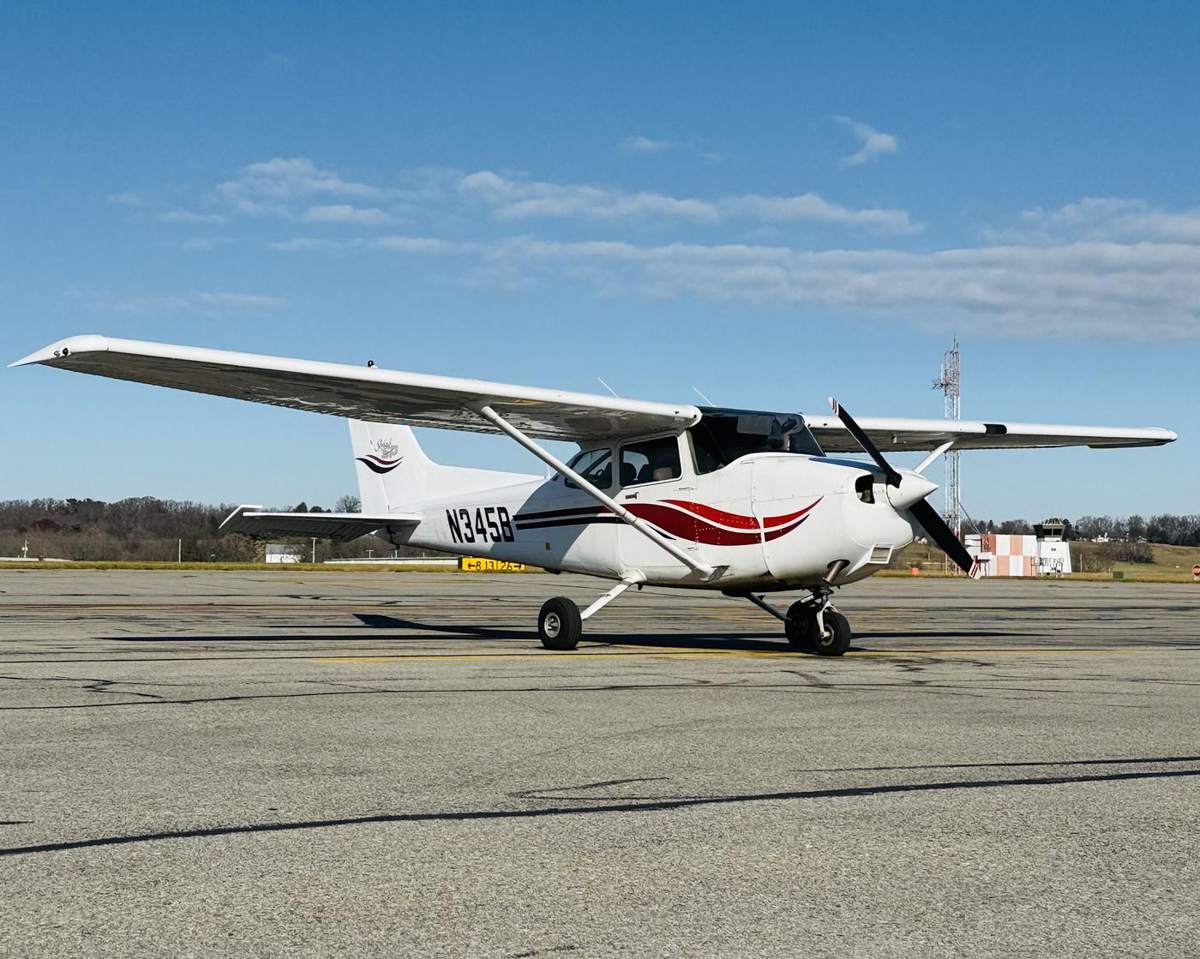
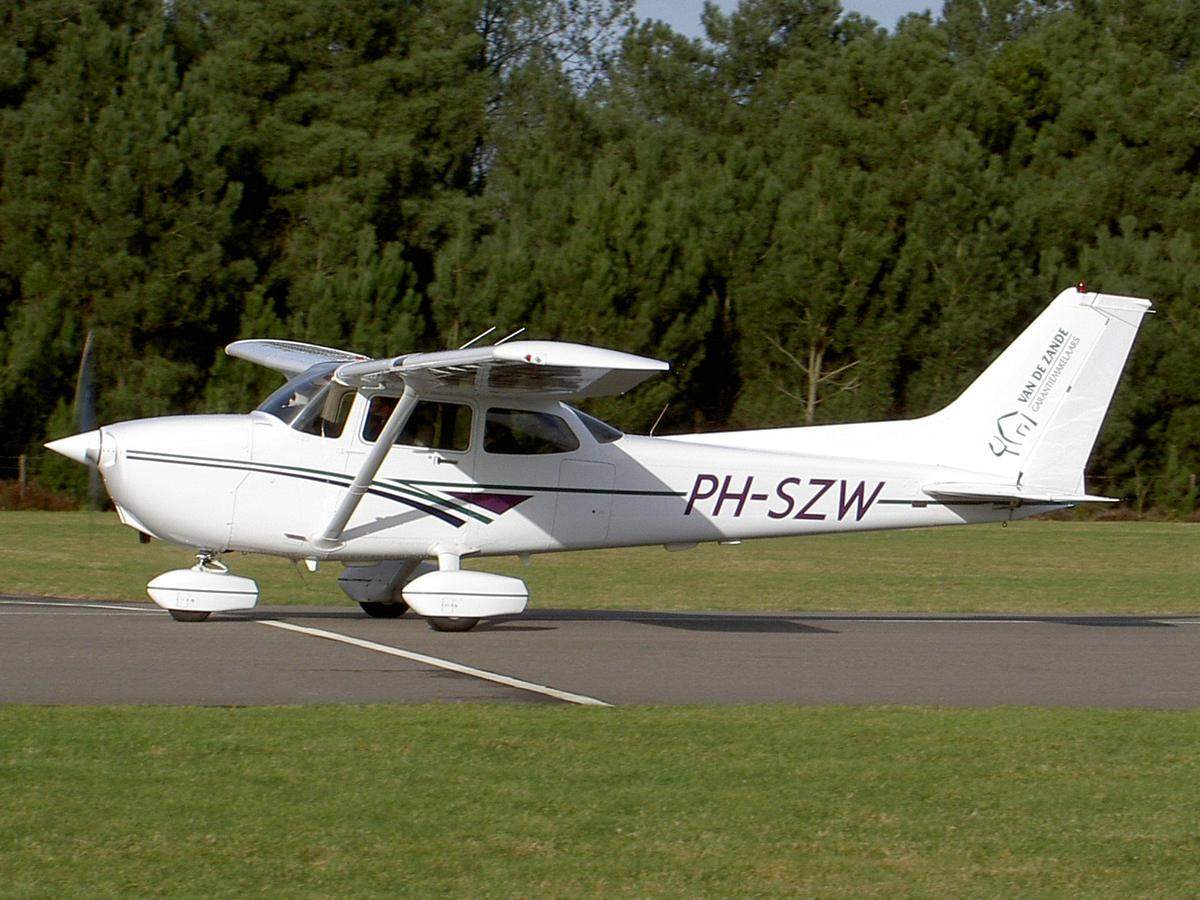
In a flight school leaseback, a private owner buys or already owns a trainer and leases it to the school, which flies it for instruction and rental and pays the owner a fee. It gives the school more fleet without buying aircraft, but it moves risk onto the owner: low utilization, wear, unreimbursed maintenance and liability. Both sides should settle who pays for inspections, insurance and repairs, who has operational control, and what happens at the end of the term, in a written agreement reviewed by aviation counsel.
Key takeaways
- A leaseback lets a school add a trainer without the down payment, but the owner carries utilization, wear and liability risk.
- Because instruction for hire triggers the 100-hour inspection in 14 CFR 91.409(b), decide in writing who schedules and pays for it.
- Run the owner's math at low utilization, not only at the school's projected hours.
- Settle insurance, damage, maintenance standards, access and exit terms before signing, and have aviation counsel review the agreement.
- If the owner has a loan on the aircraft, the lender will want to see the leaseback agreement and may need to consent.
What is a flight school leaseback from a private owner?
It is an arrangement where a private owner places an aircraft with a flight school, and the school flies it for instruction and rental in exchange for payments to the owner. The owner usually holds title. The school gets another trainer without the down payment and loan a purchase would need. The owner gets income from an aircraft they would otherwise fly only part of the time.
AVweb describes the origin well: most owner-flown airplanes fly under 100 hours a year, ownership has large fixed costs, and small schools and FBOs often cannot meet a lender's equity requirement, so the operator looks for someone else to buy the airplane and lease it back. That is a different deal from a sale-leaseback, where the operator owns the aircraft first and sells it to raise cash. Here the owner is a third party, often an individual.
For a school building a fleet, a leaseback sits next to the other routes covered in our guide to how to finance a flight school fleet and the general overview of airplane financing. It adds capacity, but it does not remove the cost of running the aircraft. Someone still pays for fuel, inspections, insurance and repairs.
Why do flight schools use leasebacks?
The main reason is capital. A school that is growing, or a new one, may not have the cash for a down payment or the track record a lender wants. The first-aircraft financing guide covers what lenders look for. A private owner can fill the gap.
The school can also scale the fleet with student demand, but only if it can keep the aircraft busy. Our guide to aircraft utilization benchmarks explains how to measure that.
What are the risks for the owner?
AVweb's guide says that in practice leaseback contracts are often written in favor of the FBO, school or charter operator, and warns about uncompensated costs from accelerated wear, poor maintenance and no guaranteed rental income or access to the aircraft. It strongly advises due diligence, financial analysis and legal review before signing. These are the main risks to look for:
- Utilization risk. The owner is paid per hour flown in many structures, so a quiet season or a drop in enrollment cuts income while the loan, insurance and storage costs continue.
- Wear and damage. Training use means many takeoffs and landings, student pilots and frequent handling. The agreement should say who pays for damage and how condition is documented.
- Maintenance quality. The owner may rely on the school's mechanic. Under 14 CFR 91.417, the registered owner or operator must keep maintenance and inspection records, so an owner should know how records are kept and be able to see them.
- Liability. A school's insurance may not fully protect the owner. Ask the owner's own insurer and the school's insurer in writing how the aircraft is covered.
- Counterparty risk. If the school closes or stops paying, the owner needs a way to get the aircraft back in the condition they expect.
What are the risks for the school?
The school depends on an aircraft it does not control. If the owner sells it, the school needs the right to keep operating it through the term or get notice. If the owner's lender takes the aircraft back, the school can lose a trainer mid-semester, which matters when students are scheduled for checkrides. The school also takes on the operating cost of a training aircraft it can lose, and a mismatch between the lease term and the training programs it supports can leave it short of aircraft.
Schools should also remember the Part 141 and Part 61 context. A school that holds a Part 141 certificate must have access to the aircraft its approved courses use, which makes the lease term and the right to use the aircraft part of the school's compliance, not only its finances. See Part 61 vs Part 141 and the flight school operator guide.
Who is responsible for the 100-hour inspection?
The regulation puts the duty on whoever operates the aircraft in the covered way. 14 CFR 91.409(b) says no person may operate an aircraft carrying any person (other than a crewmember) for hire, and no person may give flight instruction for hire in an aircraft which that person provides, unless within the preceding 100 hours of time in service the aircraft has received an annual or 100-hour inspection and been approved for return to service under Part 43. The 100-hour limit may be exceeded by not more than 10 hours while en route to a place where the inspection can be done, and that excess is counted in the next 100 hours.
The regulation says who may not operate. It does not say who pays. The contract does. Specify who schedules the inspection, who chooses the shop, who pays for the inspection and for squawks it finds, and who bears the cost of downtime. An aircraft in the shop earns nothing, so say whether the owner is paid or the term is extended for downtime.
Which terms should the agreement settle?
Use this as a checklist for a conversation with aviation counsel. It is not legal advice.
- Payment structure. A fixed monthly payment, a per-hour payment, or a split of rental revenue. Define "hour" (Hobbs or tach) and how it is reported and audited.
- Minimum guarantee. Any minimum monthly payment, and what happens if hours are low.
- Operational control. Who has it and who is responsible for operating it legally. For large aircraft, 14 CFR 91.23 requires a truth-in-leasing clause in leases of U.S.-registered large civil aircraft. Typical trainers are not large aircraft, but the principle of naming who has operational control applies.
- Maintenance. Who performs and pays for scheduled and unscheduled work, the standard of work, approved shops, owner access to records, and who pays for engine and propeller overhaul reserves. Our guide to maintenance reserves explains the reserve concept.
- Insurance. Hull and liability coverage amounts, who is named insured and additional insured, who pays premiums and the deductible, and what happens if the school's coverage lapses.
- Damage and loss. Responsibility for damage, total loss, and the insurance payout, including who gets paid when the aircraft is declared a loss.
- Owner use and access. Whether and when the owner may fly it, and the check-out and currency rules.
- Term, renewal and exit. Length, termination rights for each side, notice, return condition and the owner's right to sell. Compare with return conditions in commercial leases.
- Avionics and modifications. Who can change the panel and who owns the upgrades. See avionics upgrades and value.
- Liens and lender consent. If a loan is outstanding, get the lender's written consent. The owner should also check that registration is current under 14 CFR Part 47 and that documents are recorded as required under Part 49.
Does the leaseback pay for the owner? A hypothetical example
The numbers below are hypothetical and for illustration only. They are not market rates, and your costs will differ. They show why owners should test low utilization.
This example holds costs constant for simplicity. In practice maintenance would vary with hours, but the loan and insurance would not. The point: an owner who counts on the school's best-case hours can lose money in a slow year. To model your own loan payment, use the aircraft loan calculator. The school can test how many hours its students need with the flight school fleet planner.
What about taxes and structure?
Tax treatment depends on the owner's facts. The IRS covers depreciation in Publication 946 and the treatment of rental and similar activities in Publication 925, including passive activity rules. Whether an owner can deduct losses or claim depreciation depends on how the activity is classified and on their other income. Confirm with a tax advisor before signing. Some owners hold the aircraft in an LLC to separate it from personal assets, and that is a question for counsel and a tax advisor too.
If the school will eventually want to own the aircraft, ask whether the agreement includes a purchase option and how the price is set. A fixed option at the end of the term works much like the choices in a finance lease, and our guide to fair market value vs one-dollar buyout leases explains how those terms differ.
What should both sides do before signing?
- Get a pre-buy inspection from an independent mechanic who has no stake in the sale, as AVweb recommends, and an appraisal. See what an appraisal covers.
- Have separate advisors. The owner and the school have opposite interests on payment, damage and exit.
- Ask the school for its aircraft utilization history and its insurance certificate.
- Write down the numbers at low utilization and decide whether you can live with them.
If you are lining up financing for a purchase that will be placed in a leaseback, or financing trainers directly, you can start a deal file with JetFinex to organize the documents lenders ask for. This article is general information, not legal, tax or financial advice.
Flight School Fleet Planner
How many aircraft your enrollment really needs.
Want the payment on a specific aircraft? Try the aircraft loan calculator: set the price, down payment, rate, term and balloon and see the monthly payment and total interest.
Frequently asked questions
What is an aircraft leaseback with a flight school?
An owner places an aircraft with a flight school, which uses it for instruction and rental and pays the owner under a written agreement. The owner usually keeps title and the school operates the aircraft, though who pays which costs varies by contract.
Does the 100-hour inspection apply to a leaseback trainer?
It generally does when someone gives flight instruction for hire in an aircraft that person provides, or carries passengers for hire. Under 14 CFR 91.409(b), the aircraft needs an annual or 100-hour inspection within the preceding 100 hours of time in service, with a 10-hour allowance to reach the inspection site.
Is a flight school leaseback a good investment for the owner?
It depends on the contract and on utilization. AVweb has cautioned that leaseback contracts often favor the operator and can leave owners with uncompensated wear and maintenance costs, so run the numbers at low flying hours and get independent advice.
Can an owner with an aircraft loan lease the aircraft to a flight school?
Only if the loan documents allow it. Most lenders restrict leasing and commercial use, so ask for written consent before placing the aircraft with a school.
Sources
- eCFR, 14 CFR 91.409, Inspections
- eCFR, 14 CFR 91.417, Maintenance records
- eCFR, 14 CFR 91.23, Truth-in-leasing clause requirement
- eCFR, 14 CFR Part 47, Aircraft Registration
- eCFR, 14 CFR Part 49, Recording of Aircraft Titles and Security Documents
- AVweb, Is a Leaseback Good for You? (originally published 1998, updated 2025)
- IRS, Publication 925, Passive Activity and At-Risk Rules
- IRS, Publication 946, How To Depreciate Property
This guide is educational and is not tax, legal or investment advice. See our editorial standards and disclosures. Spot an error? Tell us.